
By Mahesh Babu, Managing Director, Olectra Greentech Limited

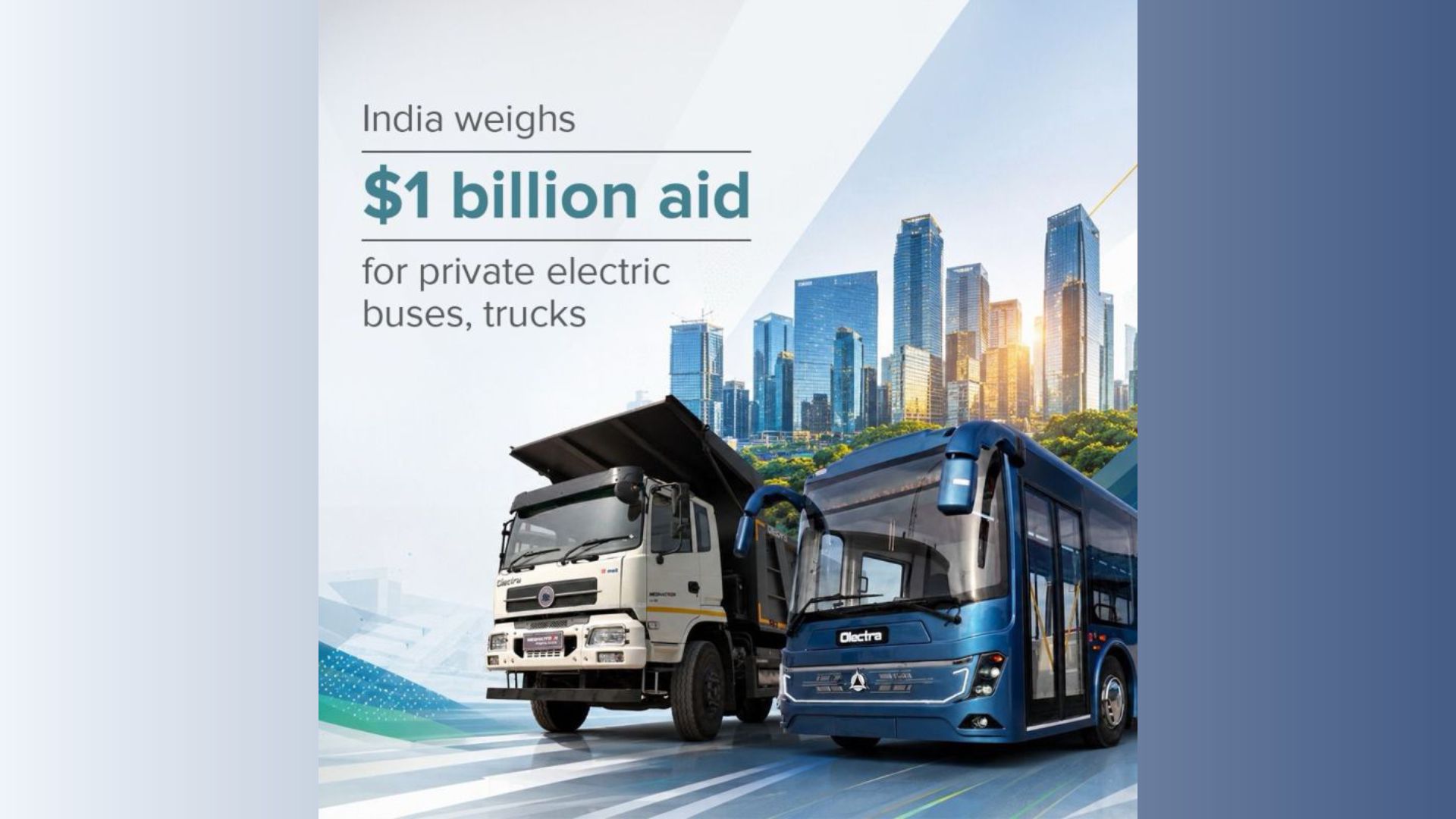
India’s proposed USD 1 billion support for private electric buses and trucks is a timely and forward-looking move. It comes at a critical phase in India’s electric mobility journey, where the conversation is no longer limited to sustainability alone. Electric mobility is now directly linked to energy security, economic resilience, industrial growth and building a future-ready transportation ecosystem.
Over the last few years, electric bus adoption in India has largely been driven by government and State Transport Undertaking (STU) demand. This phase played an important role in building confidence around electric mobility, validating operational viability and demonstrating that electric buses can perform reliably at scale.
However, the next phase of growth must become broader, deeper and increasingly market-driven.
The numbers clearly highlight the opportunity ahead. In FY26, India registered approximately 1,15,000 buses. Out of these, nearly 17,000 buses were sold to government and STU segments, while electric bus sales stood at only around 5,400 units. With nearly 85 percent of total bus registrations coming from private applications, the real scale opportunity lies within private fleet operators and commercial transport use cases.
For India to accelerate electric bus adoption meaningfully, the private sector must emerge as the next major growth engine.
The proposed support mechanism can significantly improve affordability, strengthen financing access and create a stronger business case for fleet electrification. This could unlock substantial demand across segments such as corporate employee transportation, school buses, airport mobility, tourism, staff transportation and intercity mobility.
Similarly, electric trucks can witness faster adoption across logistics, e-commerce, FMCG distribution, ports, mining, steel, cement and industrial transportation.
The importance of this transition becomes even greater when we consider where the real impact of electrification lies — high-utilization vehicles. Buses and trucks operate daily, consume large quantities of fuel and directly influence operating economics for businesses.
India currently imports nearly USD 160 billion worth of fuel annually, with approximately 55 percent linked to mobility and transportation. Every step towards electrifying commercial vehicles therefore contributes not only to cleaner mobility, but also to reducing fuel dependence, improving energy security and strengthening long-term economic resilience.
Current penetration levels further underline the scale of opportunity. In FY26, electric bus penetration is estimated at around 4.71 percent, while electric truck penetration remains as low as 0.25 percent. With the right policy support, innovative financing models and rapid charging infrastructure development, these figures can realistically move into double digits over the coming years.
Private sector participation can help India move from policy-led adoption to true market-led scale.
This initiative is not merely a support package for electric buses and trucks. It represents a strategic step towards building a cleaner, more efficient, more secure and globally competitive mobility ecosystem for India’s future.