
Dubai’s trade and logistics links offer African aftermarket businesses access to international markets, suppliers and expertise.
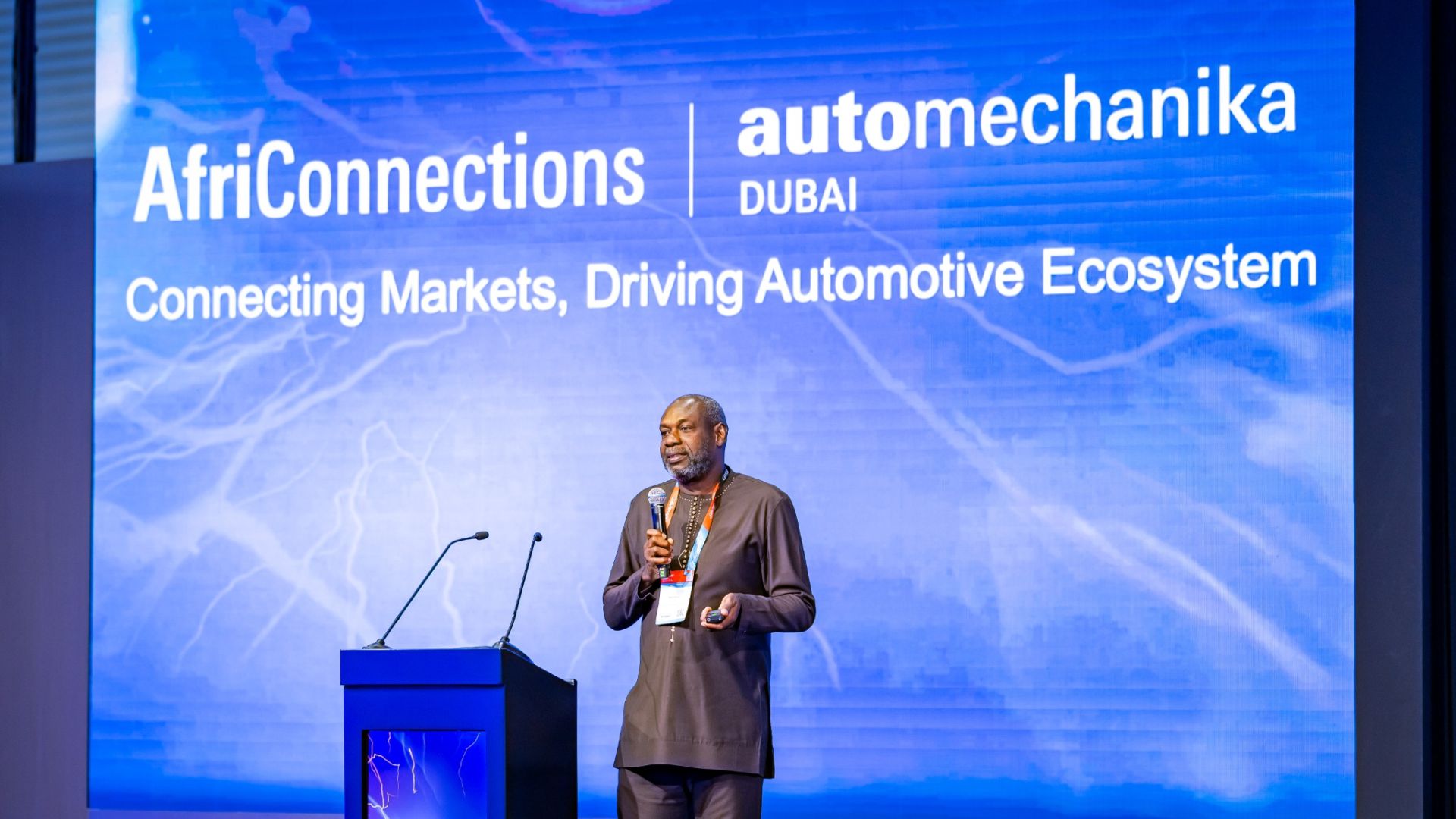
AfriConnections, a half-day programme at Automechanika Dubai on 12 November, will examine opportunities in trade, sourcing, manufacturing and distribution.
Dubai, UAE: As vehicle fleets evolve and demand for replacement parts, workshop services and new technologies grows, Africa’s automotive aftermarket is creating commercial opportunities for manufacturers, distributors and service providers. Automechanika Dubai, taking place from 10 to 12 November 2026 at Dubai Exhibition Centre, Expo City Dubai, will address these developments through AfriConnections, a programme bringing African and international aftermarket businesses together on 12 November.
The opportunity varies across the continent. South Africa and Morocco account for the majority of Africa’s vehicle production, according to the International Organization of Motor Vehicle Manufacturers (OICA), while many other markets rely heavily on imported vehicles and components. At the same time, efforts to strengthen local manufacturing and regional trade are creating opportunities both to source components and materials from African producers and to develop distribution and production networks across the continent.
Trade policy is also evolving. In February 2026, African Union heads of state approved automotive rules of origin under the African Continental Free Trade Area (AfCFTA). According to the African Association of Automotive Manufacturers (AAAM), the rules require vehicles and components to contain at least 40% African-originating content to qualify for preferential treatment.
Claire Dawai, PhD, Chief Executive Officer of the Sub-Sahara Chamber of Trade, said: “Africa’s automotive aftermarket is moving towards a more structured and integrated ecosystem, creating a need for clearer regulatory frameworks and stronger links between regional markets and global centres of innovation. As the sector develops, aligning market requirements with international standards will be important in supporting investment, strengthening local value chains and building a more competitive industry.”
As the rules change, businesses are looking for reliable routes to trade across these markets and to reach international suppliers. Dubai provides an established link between African markets and international suppliers. Dubai Chambers reported that the emirate’s non-oil trade with Africa exceeded US$145.9 billion in 2025, highlighting the scale of the wider commercial relationship.
Mercy Mwaura, Chief Executive Officer of the Kenya Motor Repairers Association (KEMRA), said: “With more than 50 million vehicles on the continent, Africa’s market for replacement parts, repair services, diagnostics and tools is valued at over US$30 billion. Yet fragmented supply chains, high logistics costs and skills gaps continue to constrain the sector’s full potential. Closing those gaps will take international partnerships with global suppliers, technology and expertise, and AfriConnections is a practical place to start building them.”
AfriConnections is designed to address these challenges. The programme will explore Africa’s automotive growth outlook, AfCFTA and intra-African trade, UAE–Africa commercial corridors, sourcing and supply-chain strategies, and electrification and alternative-energy infrastructure.
It takes place alongside a trade show that gives those conversations scale. More than 1,200 exhibitors from over 50 countries are expected at the 23rd edition, giving African buyers and distributors access in one place to international suppliers of parts, workshop equipment and automotive technologies.
Chris Lee, Portfolio Director, Mobility & Logistics, Messe Frankfurt Middle East, said: “Africa is an important market for the global automotive aftermarket, and Automechanika Dubai provides a platform for connecting African buyers with international suppliers across parts, workshop equipment and emerging automotive technologies.”
“Dubai’s position as a global trade and logistics hub makes it a natural meeting point for these businesses, while AfriConnections gives them a focused opportunity to explore new markets, build partnerships and turn commercial interest into business,” added Lee.
AfriConnections sits alongside a series of dedicated platforms including Aftermarket Central, Innovation4Mobility, Fleet FWD, LABX and Modern Workshop.