
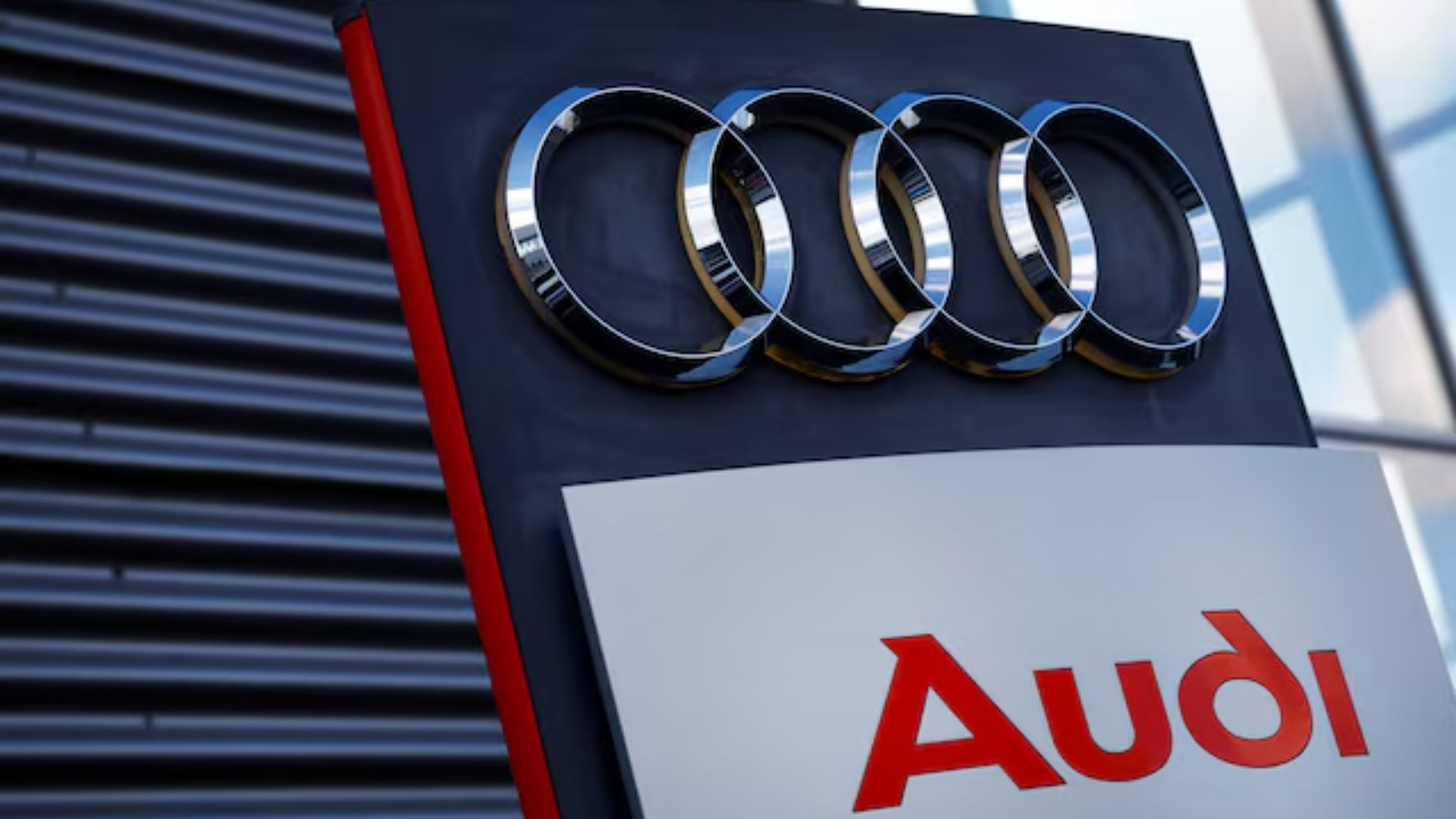
BERLIN, (Reuters) – A looming U.S. tariff hike would have a ‘significant’ impact on German premium carmaker Audi as it pushes ahead with plans to launch its largest SUV in the U.S. this summer, finance chief Juergen Rittersberger said on Tuesday.
U.S. President Donald Trump has threatened to raise tariffs on EU car imports to 25%, arguing that the bloc has failed to comply with last year’s U.S.-EU trade agreement. The measures have not yet been confirmed, Rittersberger noted.
“One thing is clear: if these tariffs are imposed, it would place a significant burden on our company,” he said, adding that Audi was still assessing the situation.
The Volkswagen subsidiary is especially exposed to U.S. trade barriers as it has no production of its own in the country and relies on imports from Europe and Mexico to supply American customers.
Audi’s Q9 flagship luxury SUV is produced at its Bratislava plant in Slovakia and would therefore be hit by the proposed tariffs.
Audi has for years discussed building a manufacturing base in the United States. Rittersberger said the carmaker is now exploring options with Volkswagen.
“Without political support in the form of subsidies, tariff reductions, or similar measures, it will be difficult,” he said.
Audi reiterated its 2026 profit forecast, which does not account for any increase from the current 15% tariff. That levy already costs the Volkswagen Group about 4 billion euros ($4.7 billion) a year.
Volkswagen and its brands are cutting costs and revamping model lineups under pressure from tariffs as well as stiff competition from Chinese automakers. Audi plans to cut 7,500 jobs by 2029.
($1 = 0.8552 euros)
Reporting by Christina Amann. Writing by Rachel More. Editing by Kirsti Knolle and Mark Potter