
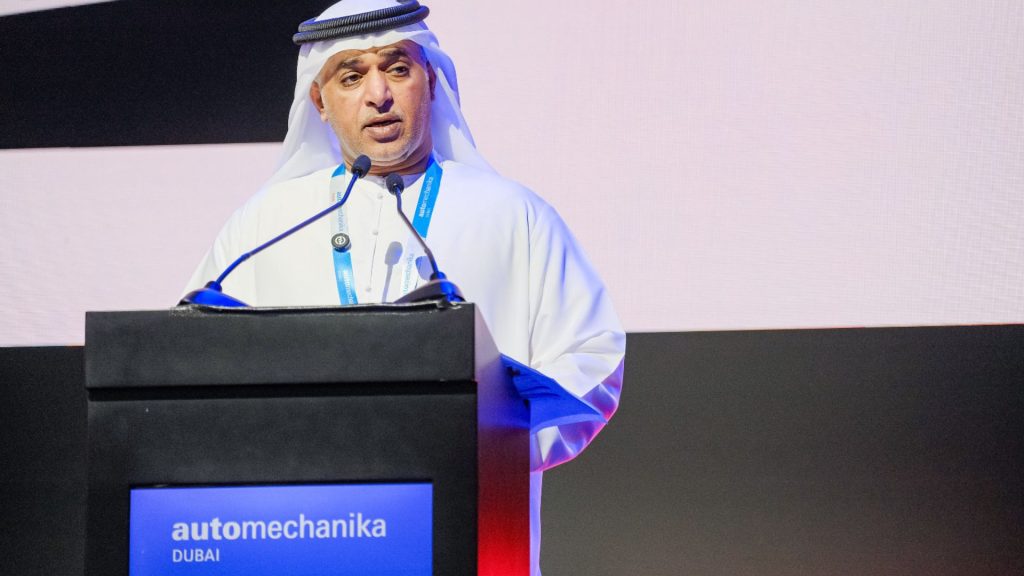
H.E. Eng. Mohamed Ebrahim Hassan Al Mansoori delivered a keynote outlining national vision for sustainable growth and regional connectivity.
Industry discussions focused on autonomous mobility, future fuels and aftermarket opportunities.
New business models and future fuels reshape the aftermarket
Dubai, UAE: Automechanika Dubai concluded its first day at Dubai Exhibition Centre (DEC), Expo City Dubai, following a keynote address by H.E. Eng. Mohamed Ebrahim Hassan Al Mansoori, Undersecretary for Infrastructure and Transportation Affairs at the UAE Ministry of Energy and Infrastructure (MoEI).
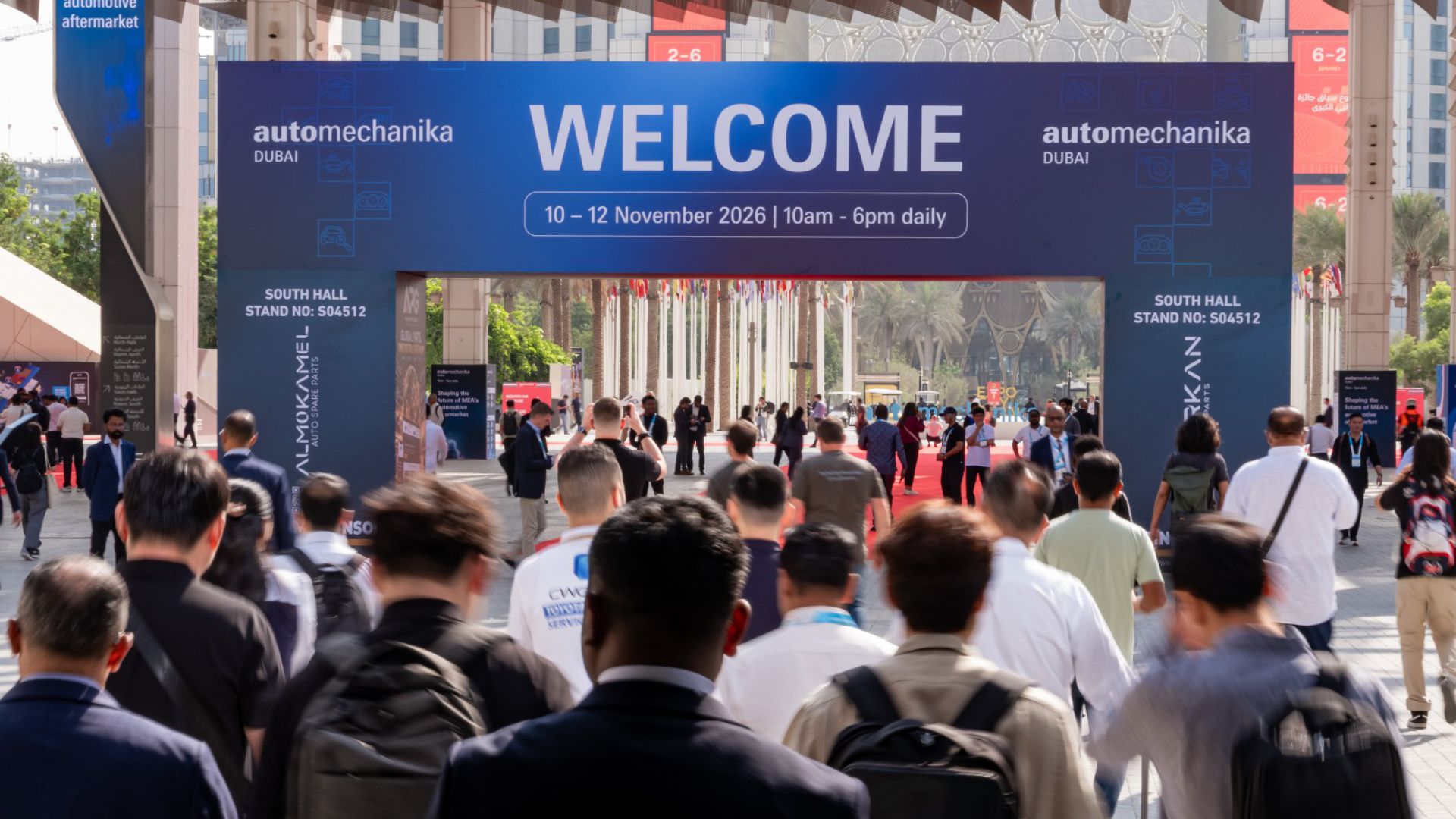
The event’s first edition at Expo City Dubai, following 22 editions at Dubai World Trade Centre, brought together more than 1,300 exhibitors from over 50 countries across the entire automotive aftermarket supply chain.
Rashid Darwish Almheiri, Senior Consultant at Dubai Customs, said: “I would like to thank the organisers for this edition and for bringing together leading experts and companies operating in the automotive, spare parts, trading and services sectors. The world is undergoing rapid transformation, placing unprecedented demands on global trade. This environment requires the ability to respond swiftly to emerging challenges. At Dubai Customs, we have adapted to these developments, and our mission is to drive growth as an economic partner to the business community by anticipating its needs and providing practical solutions and flexible alternatives.”
The opening day also provided a platform for industry leaders to consider the forces shaping the sector’s future. Chris Lee, Portfolio Director, Mobility & Logistics, Messe Frankfurt Middle East, said: “Our first day at Expo City Dubai has highlighted the industry’s appetite for dialogue on what comes next, from autonomous mobility and multi-energy fuels to new opportunities beyond vehicle sales. Automechanika Dubai provides a platform for these conversations and for bringing the industry together to shape its future.”
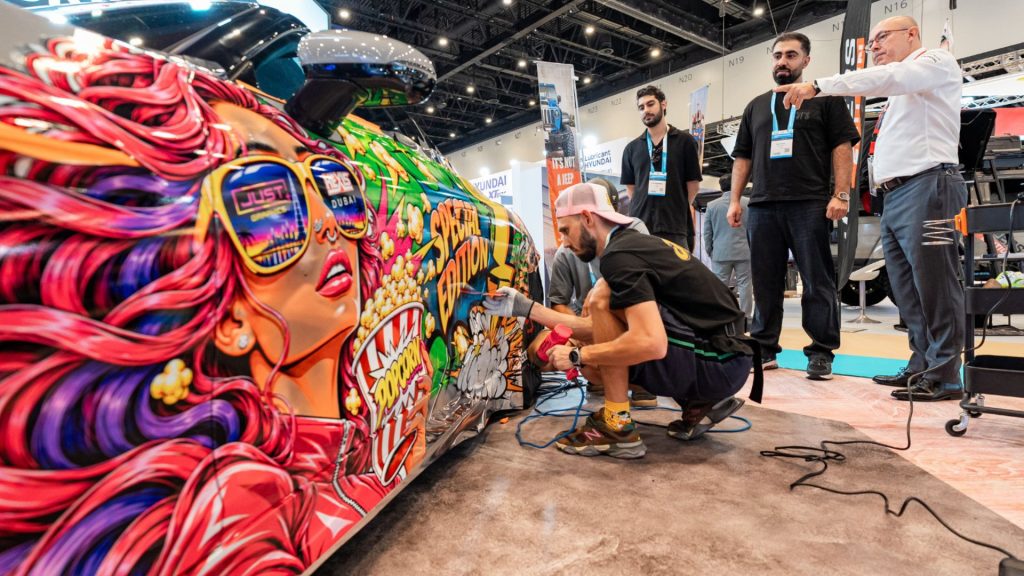
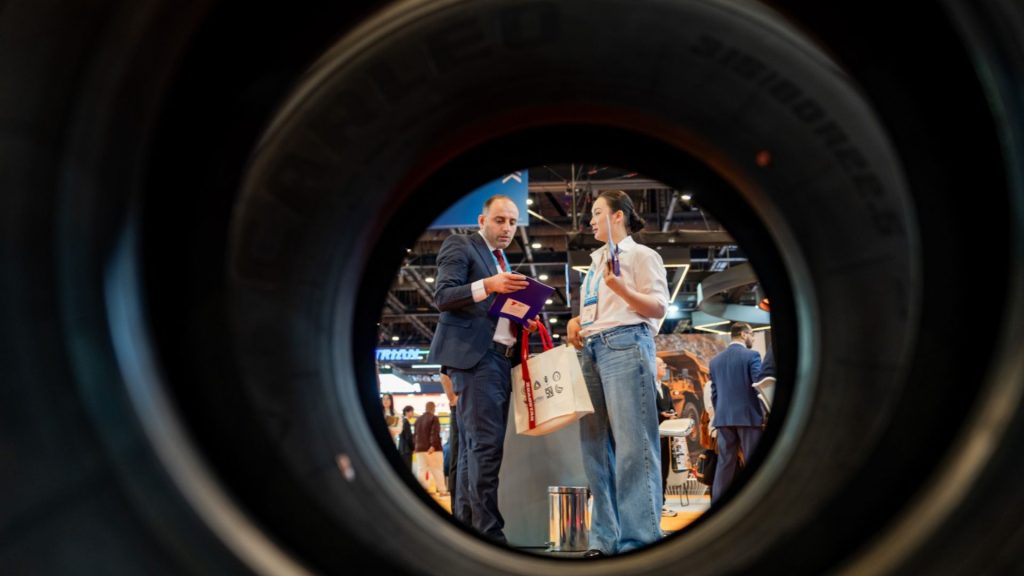
On the exhibition floor, the quality of participation and the opportunities for business were also central to the day’s activity.
Tommy Le, Show Manager, Automechanika Dubai, said: “We have seen strong local participation in 2026, with local exhibitors accounting for around 10–15% of the total. We are delighted with the increased international participation, including 13 international pavilions representing countries such as Germany, Türkiye, South Korea and Thailand, alongside strong government support. Our focus is on the quality of participation and the value it brings to the industry. Our role is to listen to how the market is evolving and let that guide our vision for the next three to five years.”
Industry discussions explore mobility and aftermarket priorities
On the first day, the Innovation4Mobility programme explored the future of intelligent, connected, and autonomous mobility, from technological developments and operational challenges to the regulatory frameworks and commercial partnerships needed to bring autonomous solutions to scale. Contributions included perspectives from Sebastian Thrun, Stanford professor and self-driving car pioneer, and Guenther Steiner, former Team Principal of Haas Formula 1 Team, alongside representatives from the United Nations Economic Commission for Europe (UNECE), the International Road Transport Union (IRU), Kearney, LODD Autonomous, WeRide, and K2.
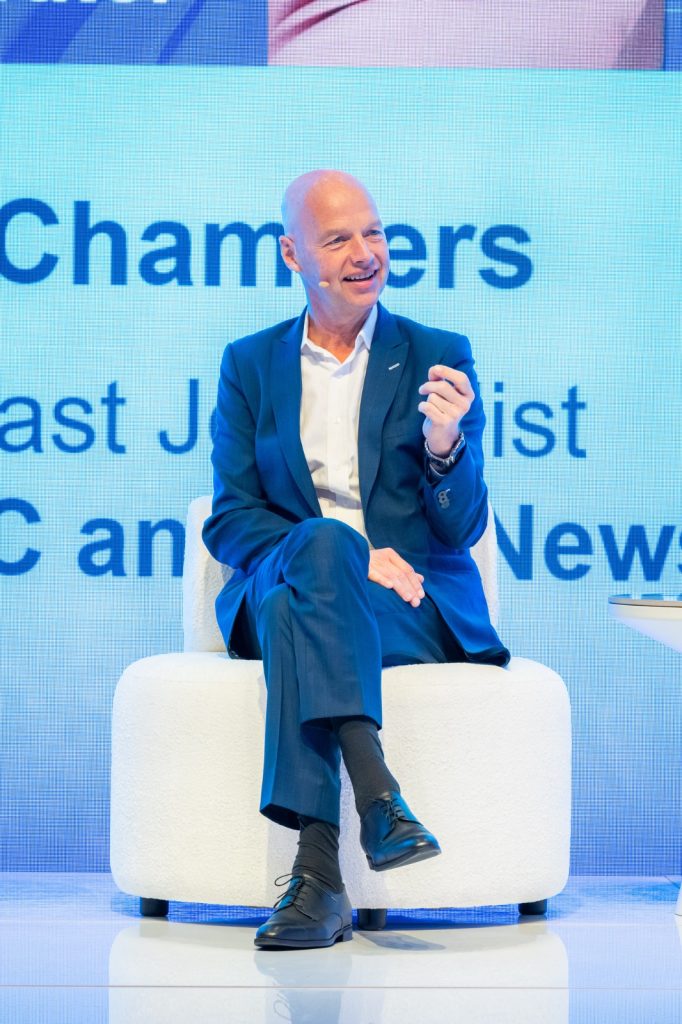
Sebastian Thrun, AI and robotics pioneer and co-founder of Google X and Udacity, said: “Every time a self-driving car makes a mistake, it learns from it, and so do all the other self-driving cars. That is why self-driving cars learn faster than people. Within five or six years, I would expect some cities to charge you to drive a human-driven car into certain areas, like a congestion charge. Self-driving cars will then operate as the default. We can work while the car is driving. All of a sudden, we regain an hour a day for our own lives.”
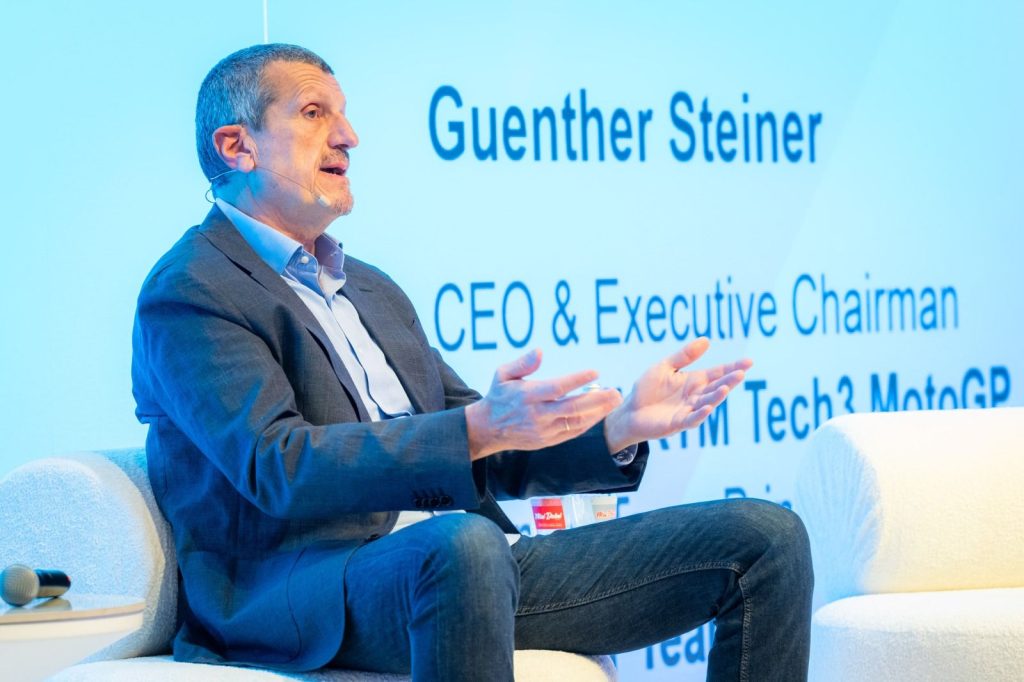
Guenther Steiner, CEO and Executive Chairman, Red Bull KTM Tech3 MotoGP, and former Team Principal of Haas F1 Team, said: “If you don’t adapt, if you don’t evolve, if you don’t use the technology available, you’re left behind. I think it’s very similar in your industry. Someone is always waiting to take over from you. In racing, the one thing that doesn’t move is the start of the race. You start from the deadline and work backward. It’s the same in your business: if your customers don’t get their parts, they’re unhappy, and they’re not your customers anymore.”
At Aftermarket Central, industry representatives from PwC Strategy&, Daimler Truck Middle East Africa, Al-Futtaim Electric Mobility and General Motors Africa and Middle East examined emerging opportunities beyond the initial vehicle sale, including the evolution of aftersales services, customer relationships and new business models.
At LABX, sessions explored the implications of emerging technologies, including hydrogen and e-fuels, for the future of automotive fluids and lubricants, alongside the growing role of digital authentication and traceability in strengthening transparency and trust across the value chain. Contributions included perspectives from ENOC and Bluechem Group.
Looking ahead to Day 2
The spotlight now turns to 11 November, when the sixth Automechanika Dubai Awards will announce its winners at Dubai Exhibition Centre. Following 748 submissions from 22 countries, 70 finalists across 15 categories are awaiting the results. The second day will also see the launch of Fleet FWD, exploring fleet operations, electrification, connected technologies and commercial mobility, alongside continuing sessions at Aftermarket Central and Innovation4Mobility.
Automechanika Dubai runs until 12 November, connecting international businesses and industry professionals to exchange expertise, build commercial relationships and explore opportunities across the Middle East, Africa, and wider global markets.
For more information, click here.