
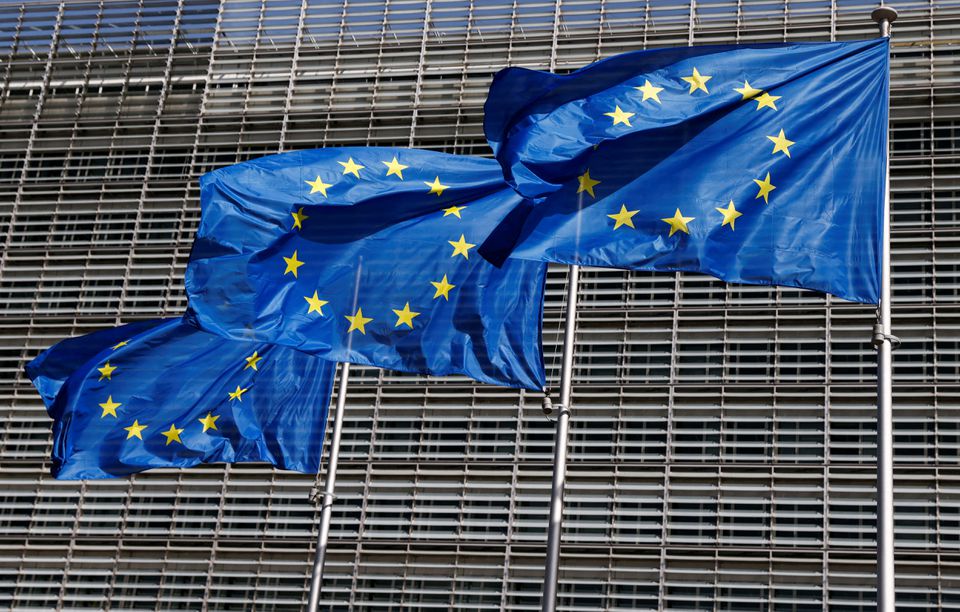
BRUSSELS, (Reuters) – European Union countries are leaning towards including British electric vehicles in the bloc’s “Made in Europe” scheme designed to shield local manufacturers from cheap Chinese imports, EU diplomats say.
The scheme will require companies to include a certain percentage of European content as a condition of accessing EU subsidies or selling to EU governments and agencies. British Prime Minister Andy Burnham’s government is pushing for this to include British-built cars.
Ireland, which holds the rotating presidency of the EU, put forward its latest proposal to other EU members on Monday, seeking to reflect their views. It advocated that for car assembly “Made in Europe” cover the whole of Europe, including European Economic Area members Iceland, Liechtenstein and Norway, plus Switzerland and Britain, EU diplomats said.
For components, other countries such as Japan or South Korea might be included.
These concessions would be granted to non-EU countries on a reciprocal basis, although precisely what that means is still to be settled, diplomats said.
France and Germany proposed last month this meant that such countries would need to align with EU trade protection measures, which include tariffs on Chinese electric vehicles, something Britain has been reluctant to do.
EU members aim to agree on a common position a few days after discussions by EU industry ministers at a meeting in Brussels on December 3.
From that point, representatives of EU governments will have to negotiate a joint text with European Parliament lawmakers, who are planning to establish their position in mid-December. The negotiations are unlikely to start before January.
Reporting by Philip Blenkinsop; Editing by Conor Humphries