
Summary
- Shares in German automakers down 2% to 3%
- Trump says auto import tariffs will be increased to 25%
- Move hurts European automakers exporting to the U.S.
FRANKFURT, (Reuters) – Shares in German carmakers slid on Monday following President Donald Trump’s decision to hike U.S. tariffs on imported European cars to 25% from the 15% levy previously agreed, dealing a fresh blow to the already battered sector.
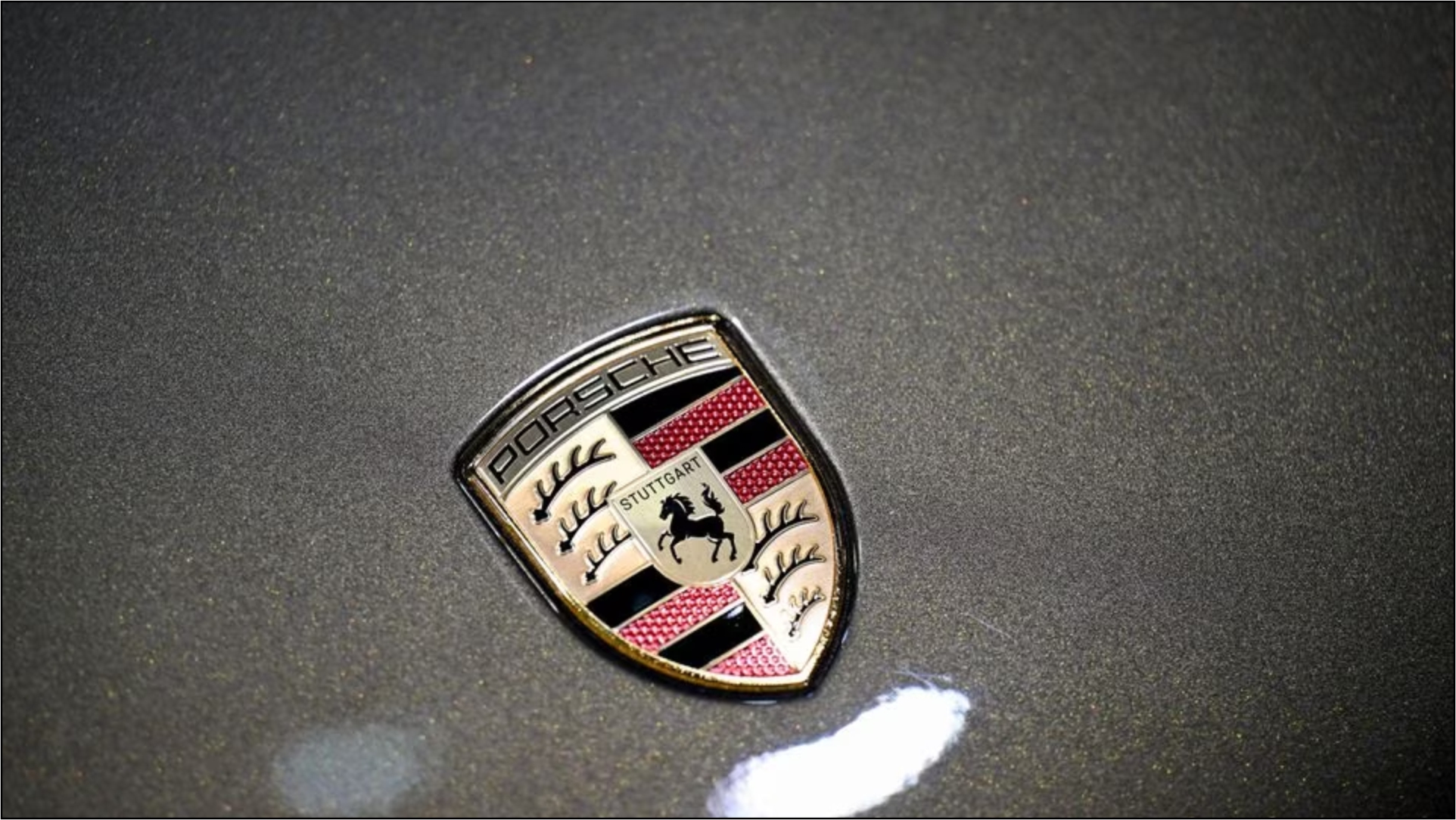
The pan-European automobiles and parts index was down 2.3% as of 1046 GMT, while shares in Porsche, BMW, Mercedes-Benz and Volkswagen were all down 2% to 3%
Trump said on Friday that the EU had not complied with a deal reached between Washington and Brussels last year that lowered U.S. duties on automotive imports to 15%. Implementation by the bloc has been slow and is not expected to be completed before June.
The tariff announcement, which Trump said would force European companies to move production to the U.S. more quickly, now upends that deal and has drawn sharp rebukes from European politicians and trade groups.
‘ANOTHER YEAR OF PROFIT WARNINGS’ FOR GERMAN CARMAKERS?
The head of ANFIA – the lobby of Italy’s auto part makers, which largely supply German carmakers – said the industry was now better prepared to handle higher duties following the initial round of U.S. tariffs last year.
“But it’s just another slap in the face after we’ve already taken a barrage of blows,” Roberto Vavassori said.
He added that the duty hike may have been prompted by the Trump administration’s need to limit damage as it faces a wave of refund requests after the U.S. Supreme Court struck down some of the president’s tariffs in February
“That’s the only possible rationale I can see … But this administration is all about keeping you on your toes,” Vavassori said.
Additional duties would further weaken the position of Germany’s premium car manufacturers, said Matthias Schmidt, European autos market analyst at Schmidt Automotive.
He said he expected “2026 to be another year of profit warnings”, noting that Audi and Porsche are among the most exposed companies due to the absence of U.S. production facilities.
Bernstein Research estimates that the additional 10 percentage points in tariffs would cost Germany’s carmakers around 2.6 billion euros ($3.05 billion) in operating profit this year. Manufacturers would likely attempt to offset part of the burden with higher prices, it added.
Germany’s export-dependent automotive sector has already been under strain from softening demand in China, slowing global growth as well as higher input and labour costs.
Volkswagen Group alone, which includes the Audi and Porsche brands, suffered a 4-billion-euro hit due to U.S. tariffs in 2025.
Sweden’s Volvo Cars, whose shares were 0.2% lower, said it was too early to comment on the possible implications of the tariff increase.
Rico Luman, senior economist at ING Research, noted that Trump has regularly used tariff threats as a negotiating tactic but has not always followed through and applied them.
“The EU adoption and legislative process is usually time-consuming. (The threatened tariff) could urge EU Parliament and Council to speed up with formal adoption though,” he said.
($1 = 0.8532 euros)
Reporting by Amir Orusov, Christoph Steitz, Ilona Wissenbach, Marie Mannes and Giulio Piovaccari; Editing by Linda Pasquini and Joe Bavier