
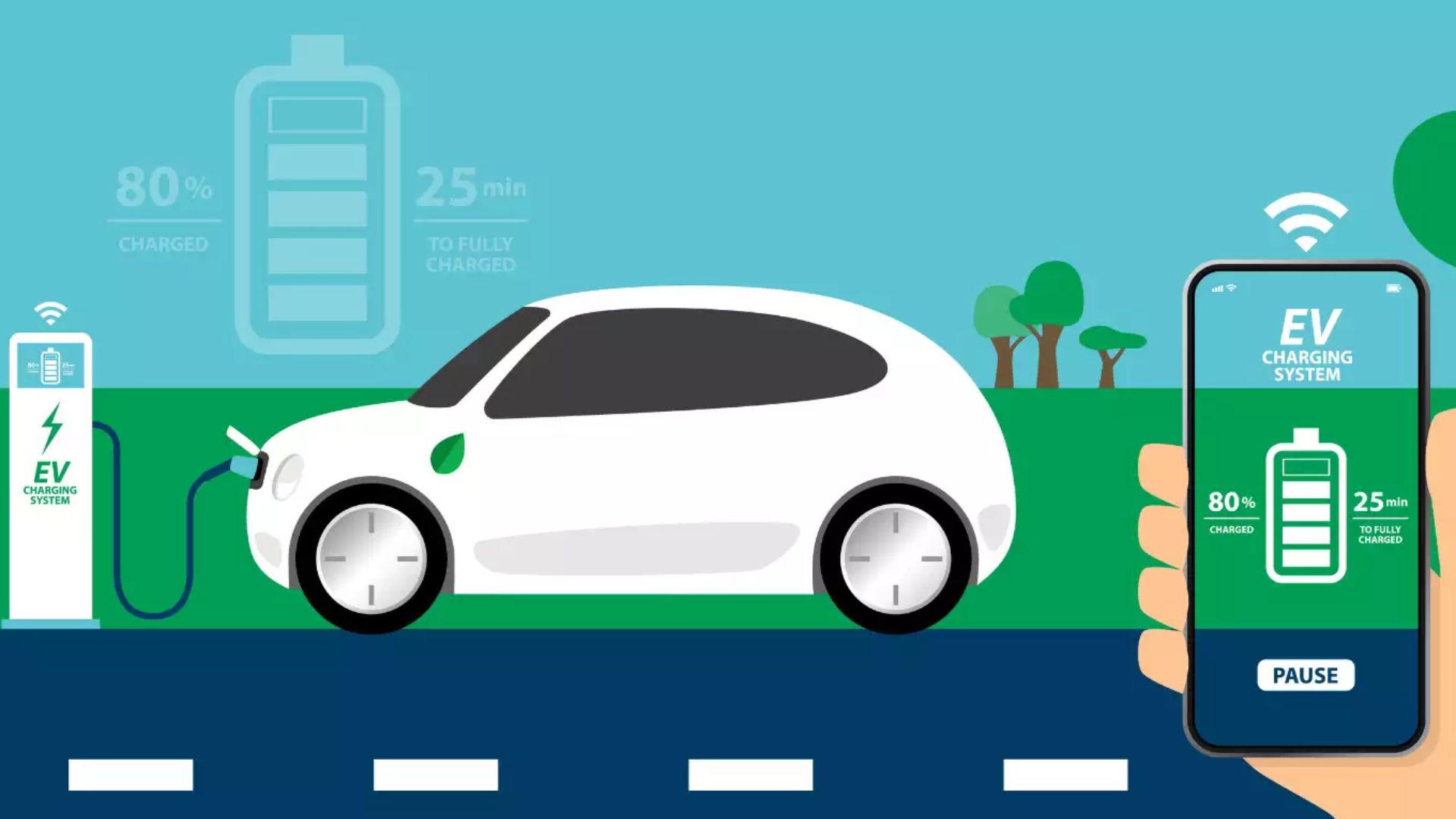
Source : PTI | Goa has failed to achieve its targeted electric vehicle (EV) adoption levels, with the state government attributing the shortfall primarily to inadequate charging infrastructure and the higher upfront cost of EVs compared to conventional internal combustion engine vehicles.
State New and Renewable Energy Minister Ramkrishna Dhavlikar shared the details in a written reply to a question by MLA Aleixo Lourenco in the Goa legislative assembly on Wednesday.
Under the Goa Electric Mobility Promotion Policy, 2021, the government had set a target of making EVs account for 30 per cent of annual vehicle registrations from 2025. The policy also envisages that 100 per cent of two-wheelers sold in Goa would be electric beyond December 31, 2030.
It had further set a target of inducting 500 pure electric buses by 2025, with electric buses constituting at least 50 per cent of all new stage-carriage buses procured for public transport, including last-mile connectivity.
However, the minister said the state had not fully achieved the targeted percentage of EV adoption.
He cited a deficit in charging infrastructure and the higher upfront cost of EVs compared to vehicles with internal combustion engines, which usually run on petrol, diesel or gas, as the reasons for the shortfall.
Dhavlikar said the government was also processing a scheme for EV pilot bikes and electric rickshaws on the directions of Chief Minister Pramod Sawant. Consultation meetings with pilot bike owners and rickshaw owners were held on July 4 and July 5, respectively, as part of the process, he said.
The minister said the Goa government had released ₹21.76 crore in subsidies for electric two-, three- and four-wheelers under the state’s scheme for promotion of EVs.
The department, however, did not have details of subsidies provided under Central programmes, including the PM E-DRIVE scheme, he said.
On dedicated electricity connections for domestic EV charging, the government said no separate tariff category for EV charging by domestic consumers was currently defined in the Joint Electricity Regulatory Commission’s tariff order.
Consequently, no separate metered connections dedicated to EV charging had been released to domestic consumers, the minister said.