

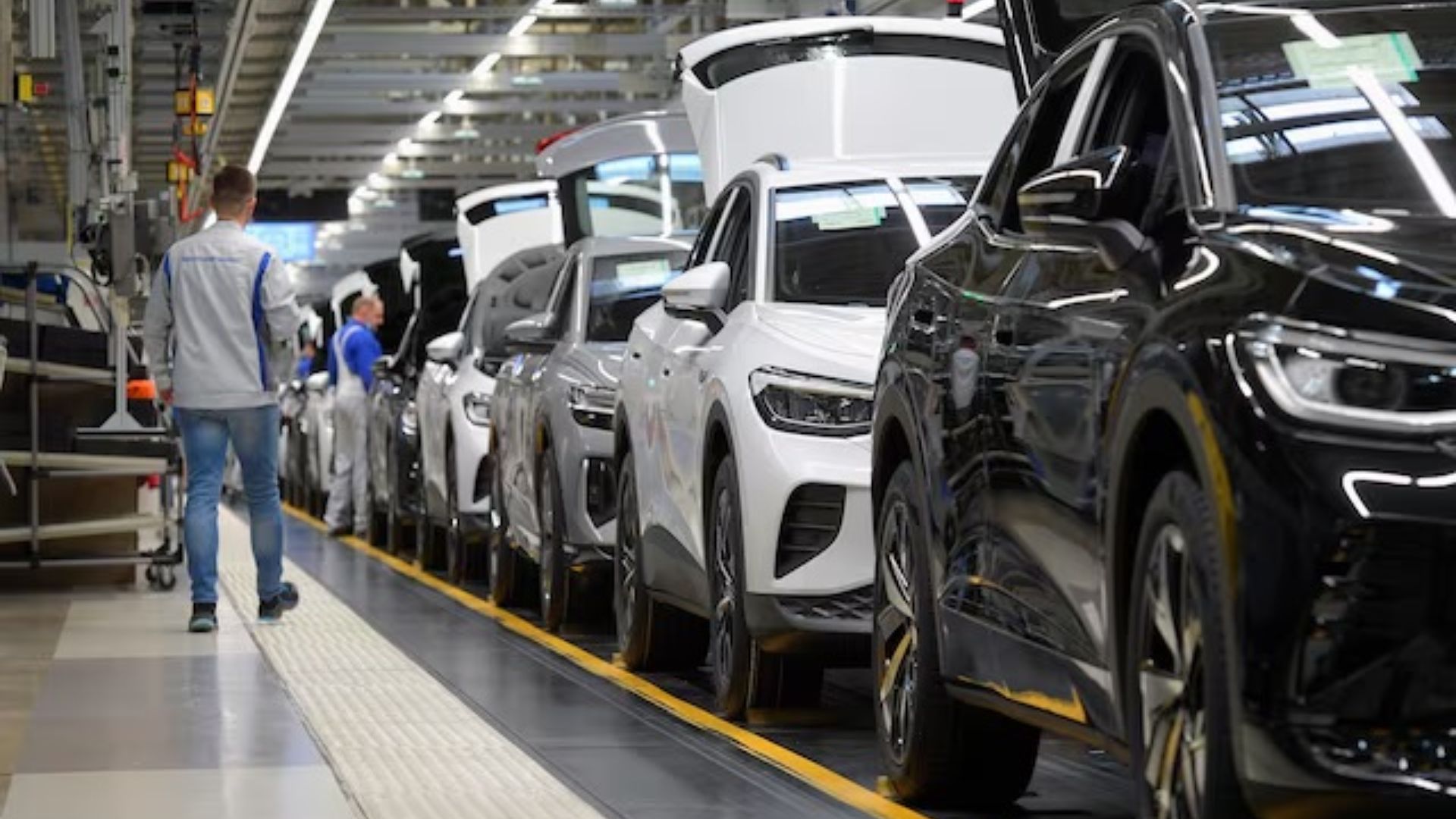
BERLIN,- Volkswagen AG’s supervisory board agreed to a comprehensive restructuring plan dubbed “Future Plan 2030” which it said was essential to restore competitiveness and secure the group for the future.
Here are the main details of the plan outlined by the group, which has been struggling in the face of slumping demand and increasing competition from China.
JOB CUTS
As part of the plan, the group says it will need to cut a further 50,000 jobs, including management positions, essentially doubling current layoffs across the group.
PLANT RESTRUCTURING AND EXCESS CAPACITY
VW says it cannot guarantee future production allocations for its plants in Emden, Zwickau, Hanover and Neckarsulm from 2031-2034 and alternative uses for the sites are being evaluated.
It says its European factories currently have more than 500,000 units of excess capacity.
PRODUCT OVERHAUL
The group aims to cut its model range by about 50% and reduce complexity by about 75% by 2035, to focus on a smaller number of higher volume models and achieve greater economies of scale. It will tailor platforms, electronics, and driver assistance systems to the needs of both Western and Eastern hemispheres.
FINANCIAL AND EFFICIENCY TARGETS
VW says it aims to sell 9 million vehicles a year and is targeting an operating margin of 9% by 2030, compared with 3.8% in the first half of 2026.
A group-wide efficiency programme will aim to cut costs, simplify procedures and increase productivity.
FOCUS ON NORTH AMERICA AND CHINA
The group will focus on its most profitable market segments in North America. It is adapting to revised growth expectations in China and will look to expand exports to the Global South.
INVESTMENT
The group plans to invest a three-digit-billion sum over coming years to strengthen brands, improve technology and make the group more competitive.
The plan includes 135 billion euros ($157 billion) in capital spending and research and development investment between 2027 and 2031.
ORGANIZATIONAL CHANGES
The group plans flatter management structures, faster decision making and a simpler group structure that will cut the number of businesses and holdings it owns by about one third. A unified performance and bonus system for executives will drive accountability.
UNION REACTION
Labour representatives say they support the plan but that the burden should not be carried only by employees. They stress the need to develop future prospects for all plants and save as many jobs as possible.
($1 = 0.8600 euros)
Reporting by James Mackenzie; Editing by Christoph Steitz and Stephen Coates