
- Fleet FWD closes its first two-day edition with sessions on commercial vehicles, freight and upskilling.
Training & Development brings technicians, training institutes and OEM academies together on EV, diagnostics, and connected-vehicle skills.
- AfriConnections connects African and international aftermarket businesses on trade, sourcing, and electrification.
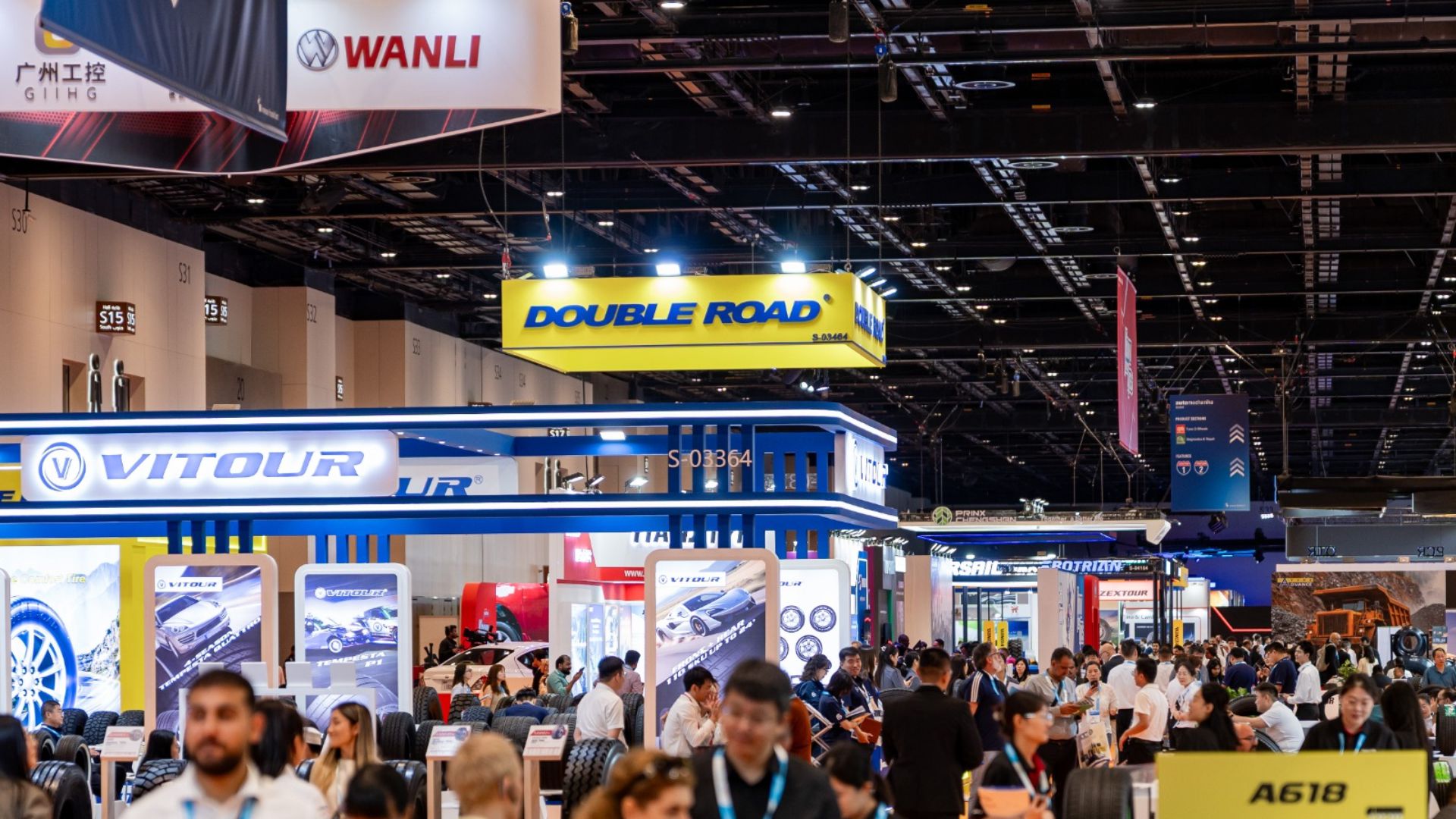
Dubai, UAE: Conversations on the future of the automotive aftermarket continued at Automechanika Dubai, the largest automotive aftermarket event in the Middle East and Africa, with commercial freight, technician training, and trade with Africa the focus of final day programming. Training & Development opened this morning with technical workshops, live demonstrations, and industry-led sessions, while AfriConnections brought UAE and African businesses together in the South Hall, and FleetFWD continued discussions on the future of commercial mobility.
Autonomous trucking: the road to commercial viability
The economics of autonomous freight came under the spotlight in a presentation by Jad Ayoub, Principal, Kearney. Kearney’s 2026 cost modelling put the total cost of ownership of autonomous trucks in the GCC at approximately 0.70 US$/km for conventional trucks, highlighting the commercial challenge of scaling deployment in a region with relatively low driver costs.
Ayoub said: “The region is building the vehicles, infrastructure and regulation for autonomous trucking at the same time. The next step is to turn these initiatives into reliable, commercially viable freight services. Scaling will depend not only on the economics, but also on the supporting ecosystem.”
Addressing the technological skills gap
Training & Development responds to a skills gap driven by electrification, digitalisation, diagnostics and connected-vehicle systems. Training institutes, OEM academies and certification bodies are working with technicians on the capabilities that newer vehicles require. Abdelrahman Farouk Mahmoud of LAUNCH leads hands-on training in diagnostics, ADAS calibration and software-defined repair, while Shubhra Tiwari of TÜV SÜD covers cybersecurity and compliance for connected vehicles. Philipp Türke of AVILOO demonstrates a live battery test and explains how it can support used-EV sales.
The shortage is international: the UK’s Institute of the Motor Industry projects a shortfall of more than 43,000 EV-qualified technicians by 2035, and the TechForce Foundation says the US faces a shortage of approximately 140,000 technicians, across all trades including automotive.
Skills have run through the wider programme. Modern Workshop’s panel on the future technician examined the certifications and tools needed for EV, ADAS and digital vehicles, while Fleet FWD turned to drivers and technicians in a session on upskilling for connected and electric commercial vehicles.
Tommy Le, Show Manager, Automechanika Dubai, said: “Newer vehicles are changing what a technician needs to know, and many workshops are looking for practical ways to close that gap. Today’s sessions let them try the tools and question the trainers directly, then take what they have learned back to their own teams.”
Opportunities for growth: spotlight on Africa
AfriConnections, chaired by Vitali Bielski, Managing Director of Intelia Nova focused on the emerging opportunities for the automotive aftermarket across the African continent. Mercy Mwaura, Chief Executive Officer of the Kenya Motor Repairers Association (KEMRA), opened the sessions with a market outlook. Later sessions covered intra-African trade under the African Continental Free Trade Area (AfCFTA), Dubai-Africa trade corridors, sourcing and supply chains, and electrification infrastructure.
With the Dubai Chambers reporting non-oil trade figures with Africa in excess of US$145.9 billion in 2025, a new automotive rules of origin regulation being passed by the African Union this year, and governments such as Morocco and Kenya incentivising both EV production and adoption, the expectation is that both demand for parts, technology and, training, as well as opportunities for investment will thrive in the coming years.
Mwaura said: “As Africans, we love our vehicles and we keep them for a long time. That means we service them regularly, creating high demand for the aftermarket… Africa’s automotive future will be built by those who recognise this opportunity and treat the continent as an integrated market.”
Chris Lee, Portfolio Director, Mobility & Logistics, Messe Frankfurt Middle East, said: “African distributors and workshop groups came to Dubai this week looking for reliable suppliers who can bring together technology and training to upskill and unlock access to a market that is poised to grow rapidly. Africonnections provides a valuable platform for these conversations, helping businesses better understand the trade frameworks, supply chains and market opportunities that can support stronger partnerships between African and international automotive markets.”
Fleet FWD’s final day opened with a session on the future of logistics and continued with Fadi Azzi of Aramex speaking on logistics resilience and Vitali Bielski of Intelia Nova and Mohammed Hamdan of Maersk discussing global parts supply chains. PwC’s Strategy& is also leading a roundtable on remanufactured components, sustainable packaging and battery recycling in the UAE.
Visitors can also take part in the Grand Tour Challenges throughout the final day, with activities including tyre changing, fault finding, vehicle wrapping, and polishing. Winners of the Grand Tour Challenge will be recognised at an awards presentation scheduled for 16:30, ahead of the exhibition’s conclusion at 18:00. For more information, click here.