
Source : PTI | Swedish carmaker Volvo Car is exploring bringing plug-in hybrid vehicles to India, but sees higher taxes on such vehicles as the biggest challenge in the country, according to a senior company official.
Speaking to PTI on the sidelines of the launch of a new electric luxury SUV, the EX90, Volvo Car India Managing Director Jyoti Malhotra said the automaker plans to offer a balanced portfolio of electric vehicles and mild hybrids, while evaluating the potential for plug-in hybrid electric vehicles.
“The challenge is that [for introducing plug-in hybrids] Indian taxation is not conducive,” he said, adding that the company is assessing customers’ willingness to pay the higher price for plug-in hybrids.
Most legacy carmakers in India are exploring a portfolio of multiple fuel powertrains, including different types of hybrid technologies and pure electric vehicles. But hybrids, particularly plug-in hybrid tech, are largely confined to premium and luxury segments because of their higher price.
In India, battery electric vehicles attract 5 per cent GST, while plug-in hybrids above the small-car category are taxed at 40 per cent. This results in a 35-percentage-point differential with pure EVs.
Meanwhile, on the pure electric vehicle side, the automaker plans to launch three new models over the next three years.
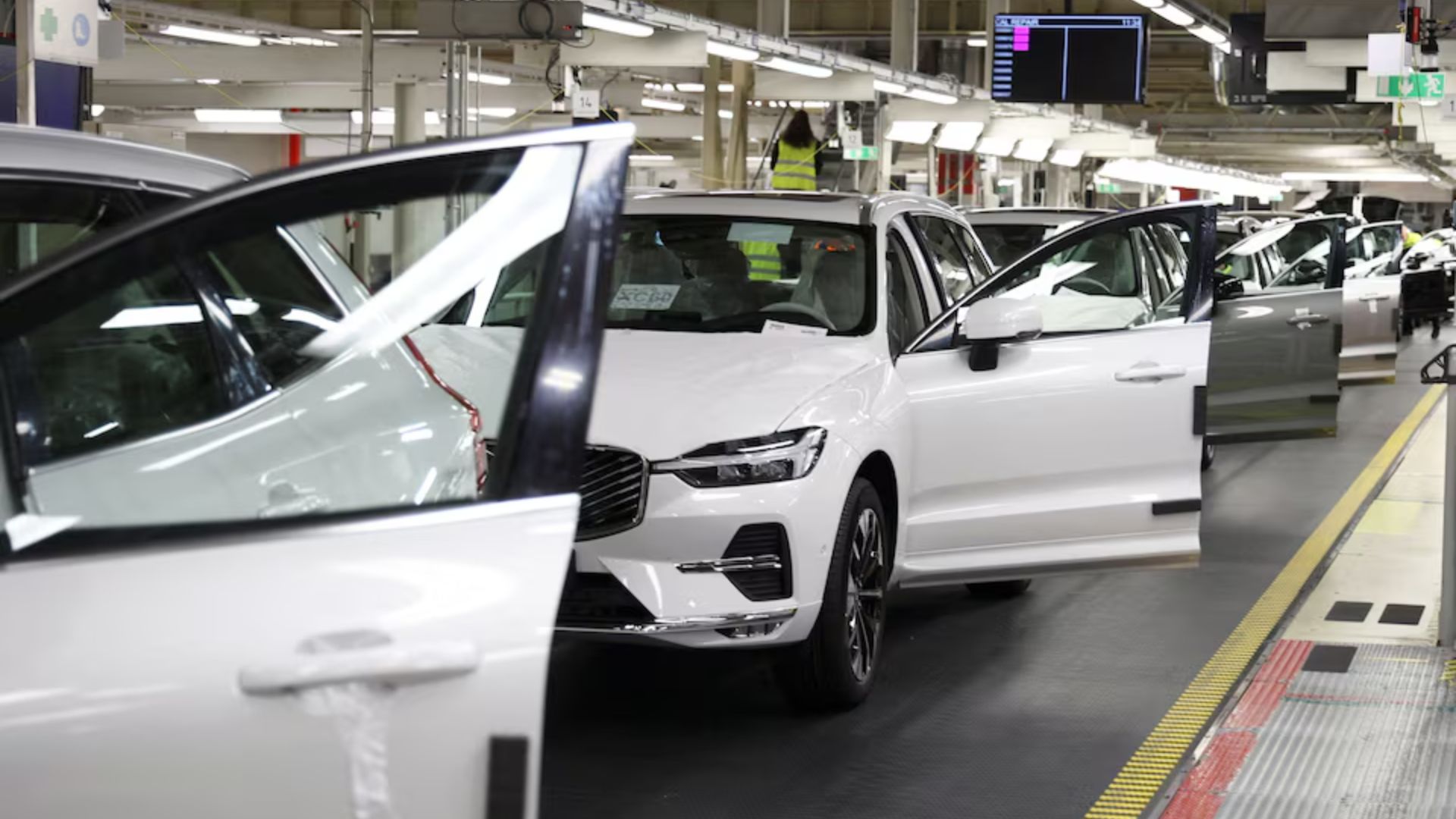
Volvo currently sells two all-electric models in India – EX30 and EC40. It also offers mild-hybrid XC60 and XC90.
On Monday, the automaker launched the new EX90, priced at ₹1.26 crore (ex-showroom).
The new six-seater luxury SUV is built on Volvo’s SPA2 platform, with deliveries scheduled to start in January 2027. The company’s next electric vehicle launch is expected to be the ES90 sedan.
Malhotra noted that electric vehicles currently account for one-fourth of Volvo’s sales in India, with supply-chain constraints impacting near-term sales.
“Our strategy is very simple. We will bring one electric car every year,” he said. When asked about the powertrain mix over the next three years, he declined to comment.
He noted that recent supply-chain disruptions have increased the cost and lead time for imported kits used to assemble cars in India, which, he said, has made vehicle deliveries unpredictable.
When asked the quantum of impact on its volumes, Malhotra declined to give a number. He just said it has had a considerable impact on sales.
On price hikes, he said the company has not taken any price increases since the first quarter of this year despite higher costs, but indicated a hike during the festival season.
“We are getting very close to where we will be forced to pass this (higher cost) on to customers,” he said.
When asked about the company’s volumes and market share, he said Volvo is focusing on strengthening brand awareness and customer experience in India rather than chasing sales volumes or market share in the near term.