

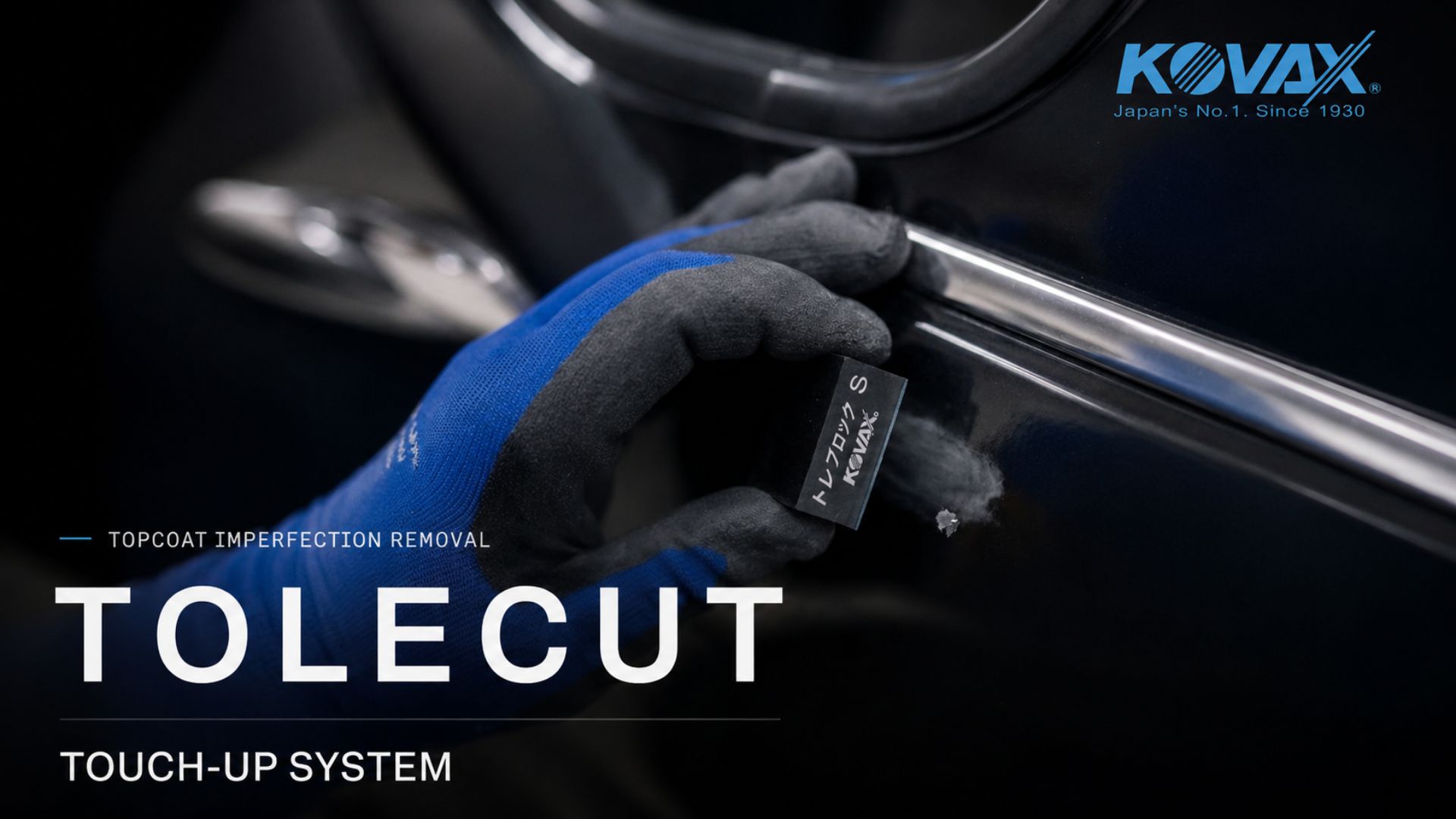
• Why Sanding an Entire Panel for a Dime-Sized Nib – Costs Body shops More Than They Think?
• Read on to Save Money & Time!
In most Body shops, there’s an unwritten rule: when a Nib, Run, or Dust speck shows up in the topcoat, the “safe” approach is to sand the whole panel—door, quarter, hood—rather than the small area that actually has the defect. That isn’t Laziness. It’s Risk Management.
With conventional Wet Sanding, it’s hard to see progress while you work. Technicians often can’t tell how much material has been removed until they stop, wipe the surface, and let it dry. That visibility gap encourages a defensive habit: sand wider than necessary, blend farther than needed, and hope the finish levels out. It usually does—but the cost of that insurance is high.
The hidden cost of the “safe” habit
- Labor time that doesn’t match the defect: A pinhead-sized nib can consume nearly the same time as a larger run because both trigger a full-panel resand.
- Higher risk of burn-through: More sanded surface area increases the chance of cutting too deep into clearcoat. A burn-through on a large area is harder—and more expensive—to repair than a localized correction.
- Inconsistent results across technicians: Without a standard approach, process approval and repeatability become difficult.
- Extra compounding and polishing time: The wider the sanded area, the wider the buffing area—where much of the hidden time and cost of rework often lies.
The better approach: match the repair to the defect—not the panel
The goal isn’t to change what you’re fixing—it’s to change how you decide when to stop. Sand only what’s actually damaged and use a method that makes progress visible.
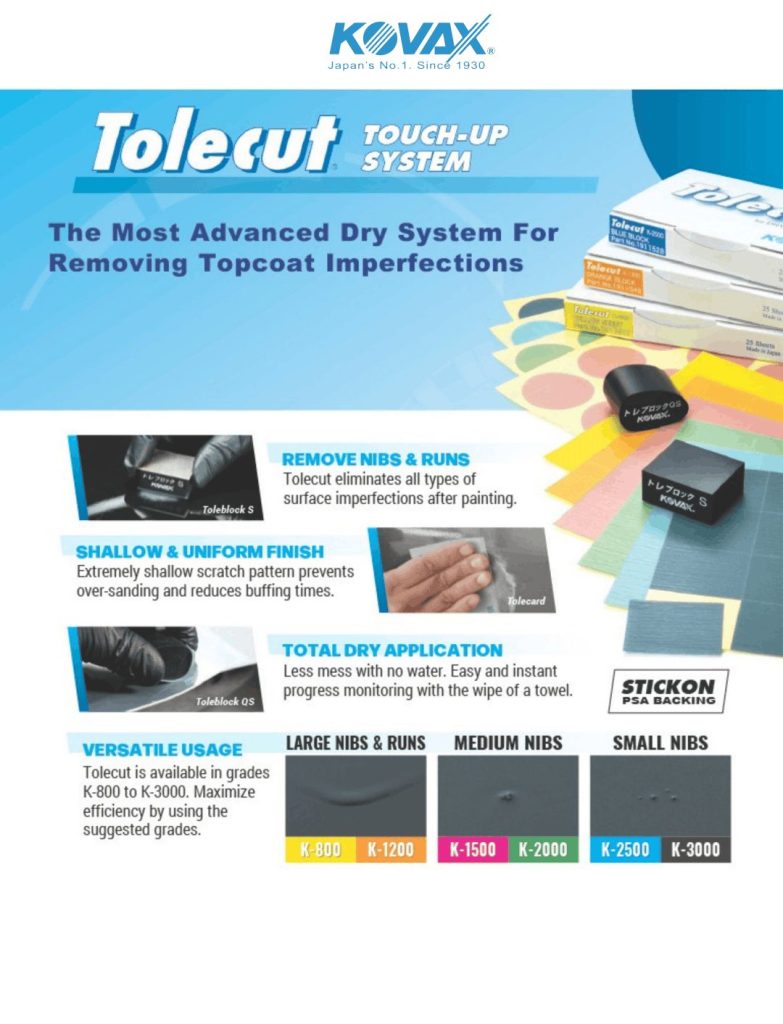
Kovax ‘s Tolecut Touch-Up System addresses the “full-panel” habit with two practical advantages:
- Dry Lube technology: No water to hide progress. A quick wipe with a soft towel shows removal in real time, reducing the urge to over-sand.
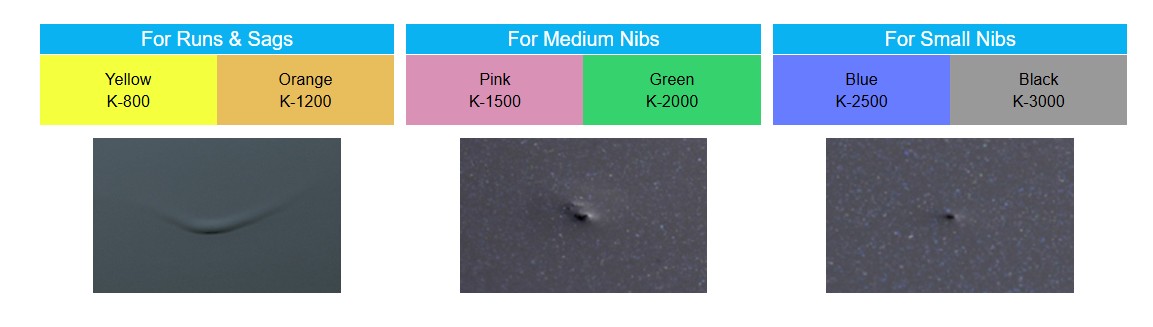
- Defect-matched grading (K-800 to K-3000): A clear selection system helps technicians choose the right grade based on defect size—rather than defaulting to a wider safety margin:
To make spot repairs easier in difficult areas (curves, concave sections, sills, mirrors, bumpers), the system also includes shaped Toleblocks (S, QS, M, QM) designed to reach a specific area without flattening or sanding beyond the target.
When each step cuts efficiently and finishes cleanly, fewer sanding stages are needed before polishing—reducing buffing time and overall rework cost.
The “sand the whole panel” habit is a rational response to poor visibility while sanding. Fix the visibility problem, and repair footprints naturally shrink—saving time, materials, and risk on every job.