
Summary
- Chinese automakers seek growth in right-hand-drive markets
- Chinese automakers target affluent customers with premium EVs
- Hong Kong auto show kicks off on Thursday
HONG KONG, (Reuters) – Chinese automakers are speeding into right-hand-drive markets from Australia to Southeast Asia and challenging long-dominant Japanese car companies with premium electric vehicles aimed at affluent consumers.
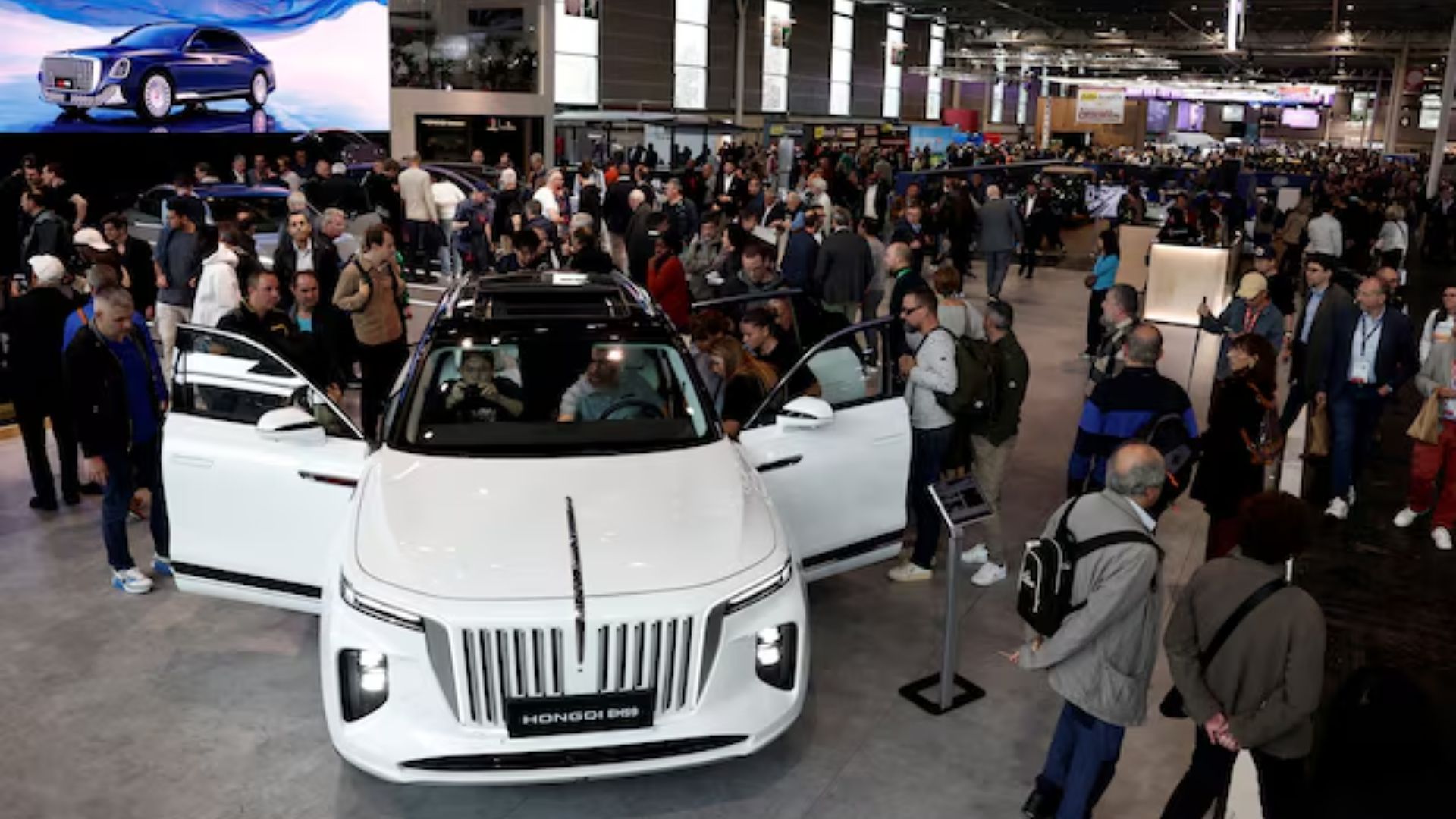
At the Hong Kong auto show that opens on Thursday, brands like BYD, Zeekr, Hongqi and MG will unveil products and strategies for overseas markets with a focus on well-to-do consumers in parts of the world that have traditionally been dominated by Japanese companies like Toyota.
For decades, Hong Kong’s streets were dominated by Japanese cars, with the Toyota Crown Comfort serving as the city’s workhorse taxi and the Toyota Alphard a favored choice among celebrities and wealthy people.
However, with EVs accounting for more than 80% of all registered new private cars in Hong Kong in the first four months, Chinese brands like BYD, GAC Aion, Zeekr and Denza are now gaining traction, outpacing Japanese competitors in both fleet and luxury segments, according to data compiled by the Hong Kong Transport Department.
BYD has established a significant foothold in Hong Kong’s taxi fleets, replacing some Toyota models, while Zeekr’s 009 and Denza’s D9 combined have outsold the Alphard in the first four months, becoming the vehicles of choice for the city’s elite, data from the Hong Kong government showed.
“High oil costs since March have rejuvenated China’s EV sector, sparking fresh global interest and creating opportunities for Chinese automakers,” said UBS analyst Paul Gong.
Oil prices have surged since the beginning of the U.S.-Israeli war on Iran in late February, although they have eased this week as details began to emerge about an interim deal to end the conflict.
Data from the China Passenger Car Association showed that Toyota’s market share dropped by 1.4% in Southeast Asia and 4.1% in Oceania during the first four months of the year.
At the same time, Chinese automakers gained ground, with Chery increasing its share by 1.7% in Southeast Asia and BYD capturing 2.5% more of the Oceania market during the same period.
For the six largest countries in ASEAN, for example, light vehicle sales came in at 3.28 million in 2024, according to PwC, which added that “Chinese automakers are aggressively challenging Japanese dominance” in these markets.
As Chinese brands cement their positions in the mass-market EV sector, they are increasingly targeting premium and luxury segments overseas.
FAW’s Hongqi, a brand known for serving China’s elite, will debut its right-hand-drive flagship electric SUV, the E-HS9, along with a new luxury SUV at the Hong Kong auto show.
Meanwhile, Geely’s premium brand, Zeekr, will unveil its flagship 009 Glory and 9X models as part of a “luxury, new prologue” strategy aimed at global consumers.
Reporting by Zhang Yan; Editing by Thomas Derpinghaus