
Summary
- BYD’s Q3 profit +28% y/y vs +30% y/y in Q2
- Q3 revenue up 13.6% y/y, ending four quarters of declines
- Trade receivables, inventories climb amid overseas expansion
- Analyst sees rising competition in export markets
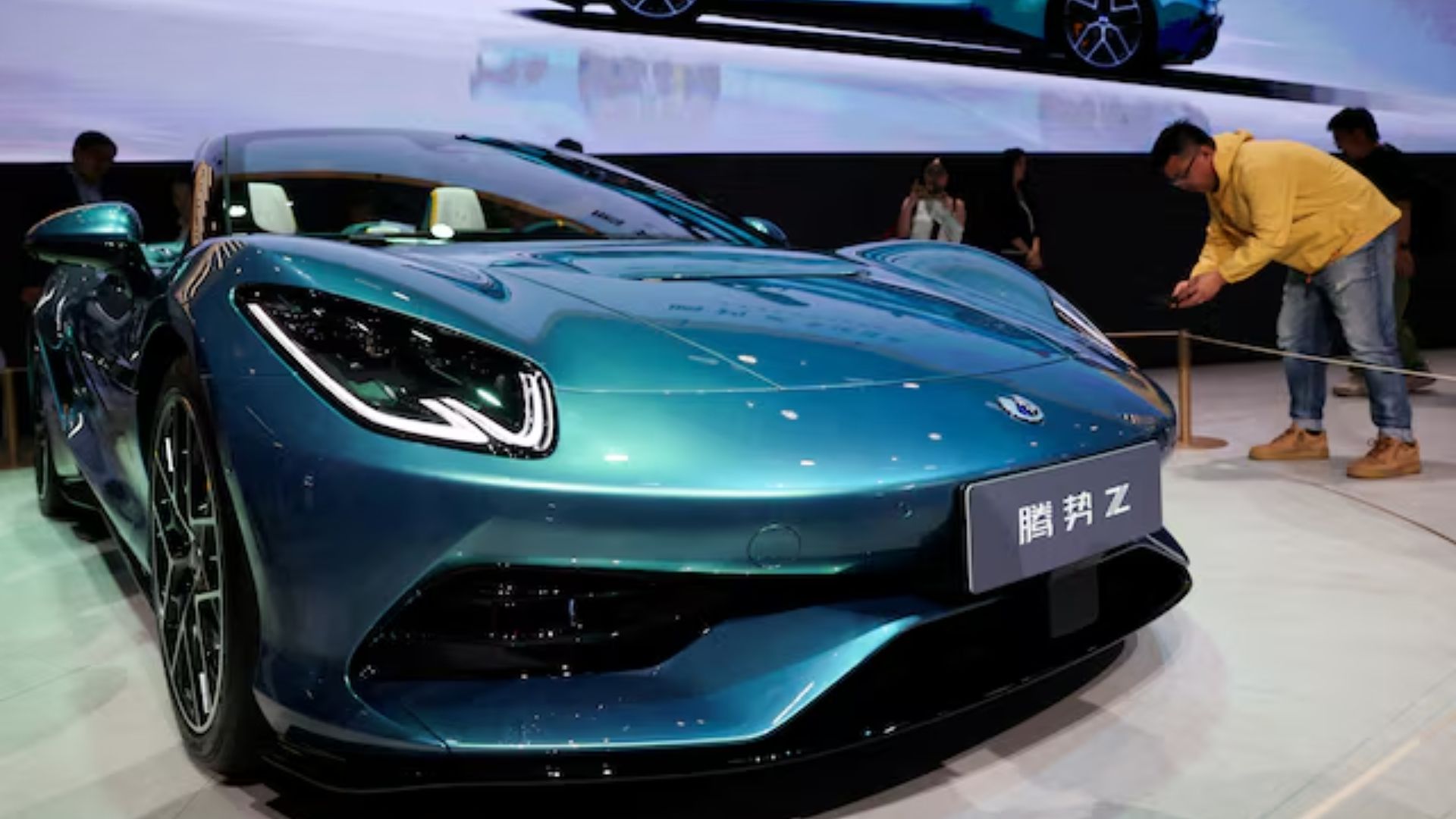
BEIJING, (Reuters) – Chinese electric vehicle maker BYD reported a smaller-than-expected 28% increase in third-quarter profit on Thursday as intensifying competition at home spread to overseas markets.
Net profit rose to 10 billion yuan ($1.50 billion) in the quarter, a stock filing showed, cooling from a 30% increase in the previous quarter.
The result missed estimates from three brokerages compiled by Reuters, which ranged from 11.4 billion yuan to 12.95 billion yuan.
Revenue rose 13.6% from a year earlier to 221.5 billion yuan, reversing a 3% drop in the second quarter and ending four consecutive quarters of revenue contraction.
“Rapid expansion is moderating, because all the other Chinese makers are arriving too. There’s increasing competition in those export markets for BYD,” said automotive analyst Felipe Munoz. “Coming quarters will be tougher for BYD.”
BYD’s global sales rose 18.8% from a year earlier to more than 1.32 million vehicles in the third quarter, as overseas shipments more than doubled and helped offset weaker sales in China, according to Reuters calculations based on company disclosures.
The overseas push is also reflected in BYD’s balance sheet.
Trade receivables were up 52.6% from the end of last year by September 30, while inventories rose 60.1%, primarily because of growth in the company’s overseas automotive business, the filing showed.
As part of that expansion, BYD is seeking regulatory approval to double annual production capacity at its Brazil plant to 600,000 vehicles, Reuters reported this month.
Geopolitics poses the biggest challenge to BYD’s international growth, Executive Vice President Stella Li said, months after Chairman Wang Chuanfu said it was targeting the top spot in the global auto industry within five years.
In Europe, Chinese automakers face the prospect of tighter scrutiny. China’s booming exports of hybrid vehicles to the European Union could face new restrictions under an EU deal aimed at curbing hybrid imports.
BYD, along with SAIC and Chery, ranks among the largest exporters of hybrids to the bloc. Hybrids account for more than half of their European sales.
At home, BYD is also facing growing competitive pressure. Geely has launched a faster-charging system, while Stellantis-backed Leapmotor continues to gain market share with competitively priced models.
($1 = 6.6610 Chinese yuan renminbi)
Reporting by Qiaoyi Li, Zhang Yan and Ju-min Park. Editing by Jan Harvey and Mark Potter