
Summary
- Automakers log expected tariff refunds, boosting paper Q1 profits
- Ford, GM, Mercedes-Benz, Stellantis among first to estimate anticipated reimbursements
- Companies’ refund requests could risk Trump blowback
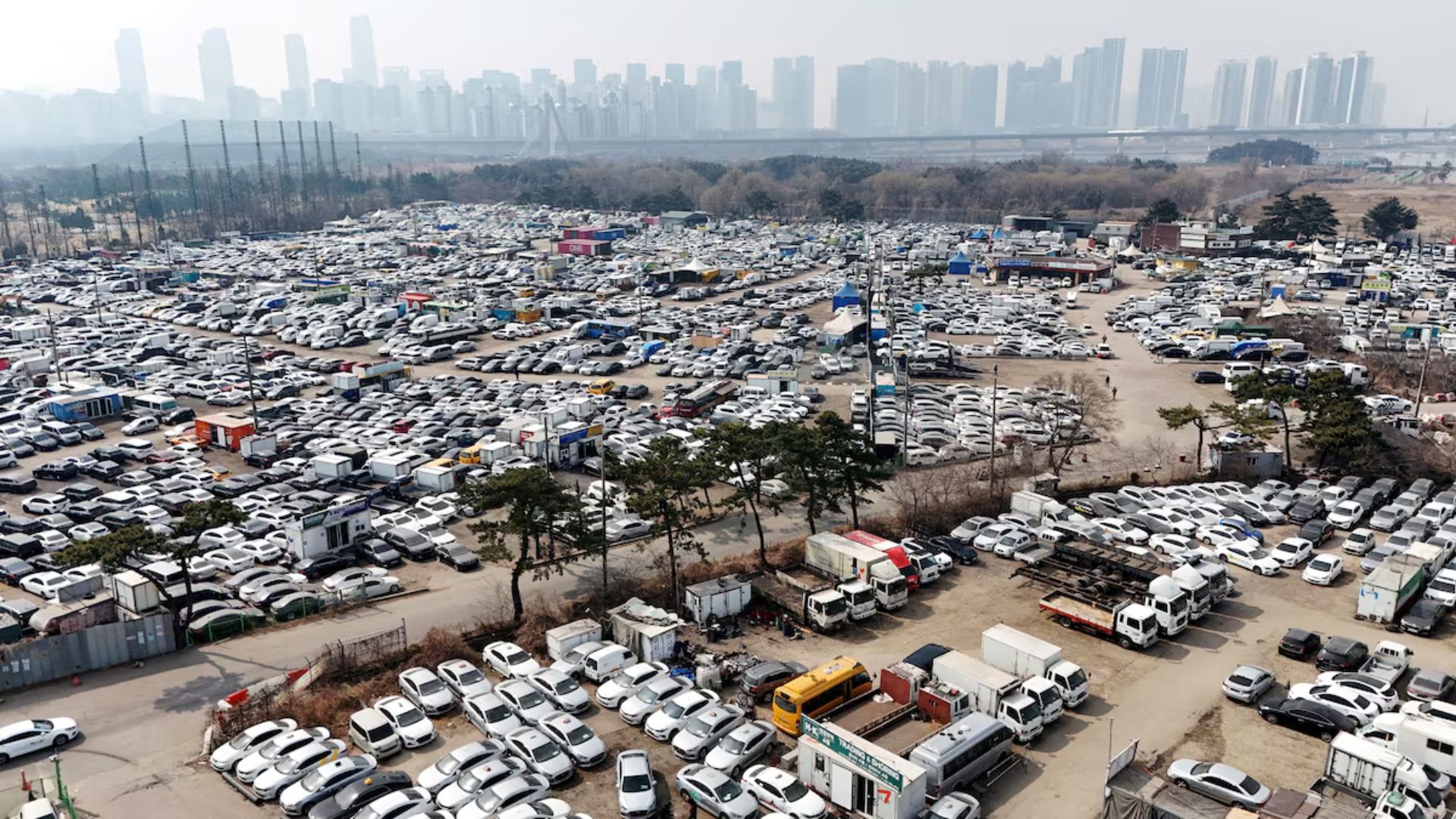
DETROIT/BERLIN, (Reuters) – Some automakers this week got a first-quarter profit boost – at least on paper – from future refunds of tariff payments they made to the U.S. government, risking potential ire from U.S. President Donald Trump.
Companies that were hit with import duties began applying for refunds last week, following a February U.S. Supreme Court ruling that struck down some of the Trump administration’s tariffs. A total of up to $166 billion in reimbursements is due to importers who paid tariffs in a process that could take several months, with the auto industry among the hardest-hit sectors by Trump’s tariff regime.
This week, several car companies began recording that expected refund income on their books, totalling about $2.3 billion, becoming among the first companies to quantify what they are owed by the government.
Ford Motor told investors it is due to be reimbursed $1.3 billion that it paid under a 1977 law called the International Emergency Economic Powers Act, or IEEPA. General Motors anticipates recovering $500 million it paid in import taxes under that law. Mercedes-Benz also said it recorded an expected refund onto its first-quarter books.
The companies logged the estimated refunds for accounting purposes, which increased their quarterly bottom lines. They acknowledged, though, that they did not know when they would be refunded, given the uncertainty around the government’s process for doling out payments.
GM and Ford both said that because the money has not been received yet, they did not record the payments as free cash flow, and would only do so once it comes through the door.
On Thursday, Jeep-maker Stellantis booked a positive first-quarter impact of around 400 million euros ($467 million), based on expected refunds.
However, Volkswagen’s finance chief Arno Antlitz told analysts it was too early to discuss tariff refunds.
Any refund would be minor compared with the annual costs of 4 billion euros, he said.
Accounting firm Ernst & Young said in an advisory paper last month it was acceptable to book projected refunds when companies can assert their intent to recover payments and reasonably estimate the amount.
Trump has said the tariffs are a response to persistent U.S. trade imbalances and declining U.S. manufacturing power, and will bring jobs and investment to the nation.

RISKING BACKLASH FROM TRUMP ADMINISTRATION
Companies applying to get their money back could risk blowback from the Trump administration. Trump in an interview with CNBC last week said he would “remember” companies that opt not to seek refunds, without specifying how they might benefit.
Ford CFO Sherry House said on Wednesday that the company had a fiduciary duty to file a lawsuit to get reimbursed, “really just for purposes of protecting our shareholders and getting in line to be able to receive the reimbursement.”
The tariff complexities are just one ripple effect of the Trump administration’s mix of geopolitical moves and domestic policies that are reverberating through the auto industry.
The Middle East conflict that began at the end of February with the U.S.-Israeli airstrikes on Iran has raised energy and raw-material costs across industrial sectors. GM said on Tuesday that commodity expenses and other cost inflation would add $500 million to what it had anticipated before the year began.