
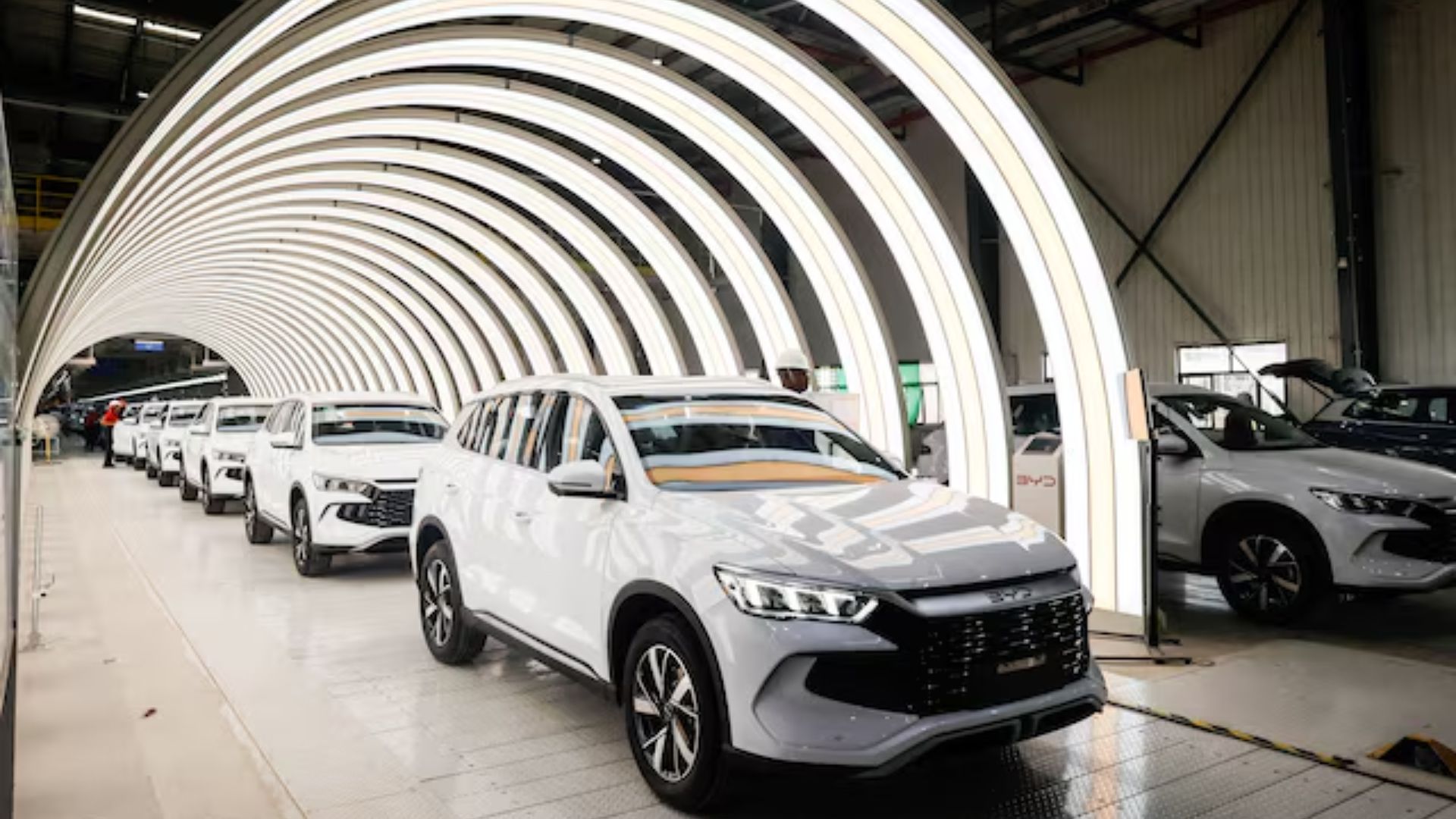
BEIJING, (Reuters) – Chinese regulators on Tuesday issued new guidelines for automakers’ overseas operations, calling on companies to comply with laws governing outbound investment and overseas business activities, while strengthening anti-monopoly, anti-corruption and social responsibility compliance.
The guidelines follow a rapid global expansion by Chinese automakers, led by BYD, as intensifying competition at home pushes manufacturers to seek growth abroad.
The rules call on automakers to base pricing on costs and market conditions, avoid using prices to gain unfair competitive advantages, and refrain from frequent or steep price changes that could harm consumers or brand image. Companies are also required to provide truthful marketing disclosures, avoid misleading advertising, and protect the reputation of Chinese auto brands abroad.
The guidelines also urge firms to strengthen antitrust compliance, prevent disruptive competition, ensure exported products meet local market needs, comply with local labour laws, and improve risk management covering political, economic and safety conditions in host countries.
China exported 8.32 million vehicles in 2025 to more than 200 countries and regions, while Chinese companies have invested in auto manufacturing projects in over 80 markets, according to official data.
A Commerce Ministry official said the guidelines are intended to promote the “rational and orderly” cross-border deployment of industrial and supply chains and support the long-term international development of China’s auto industry.
Reporting by Qiaoyi Li and Liz Lee; Editing by Jacqueline Wong