
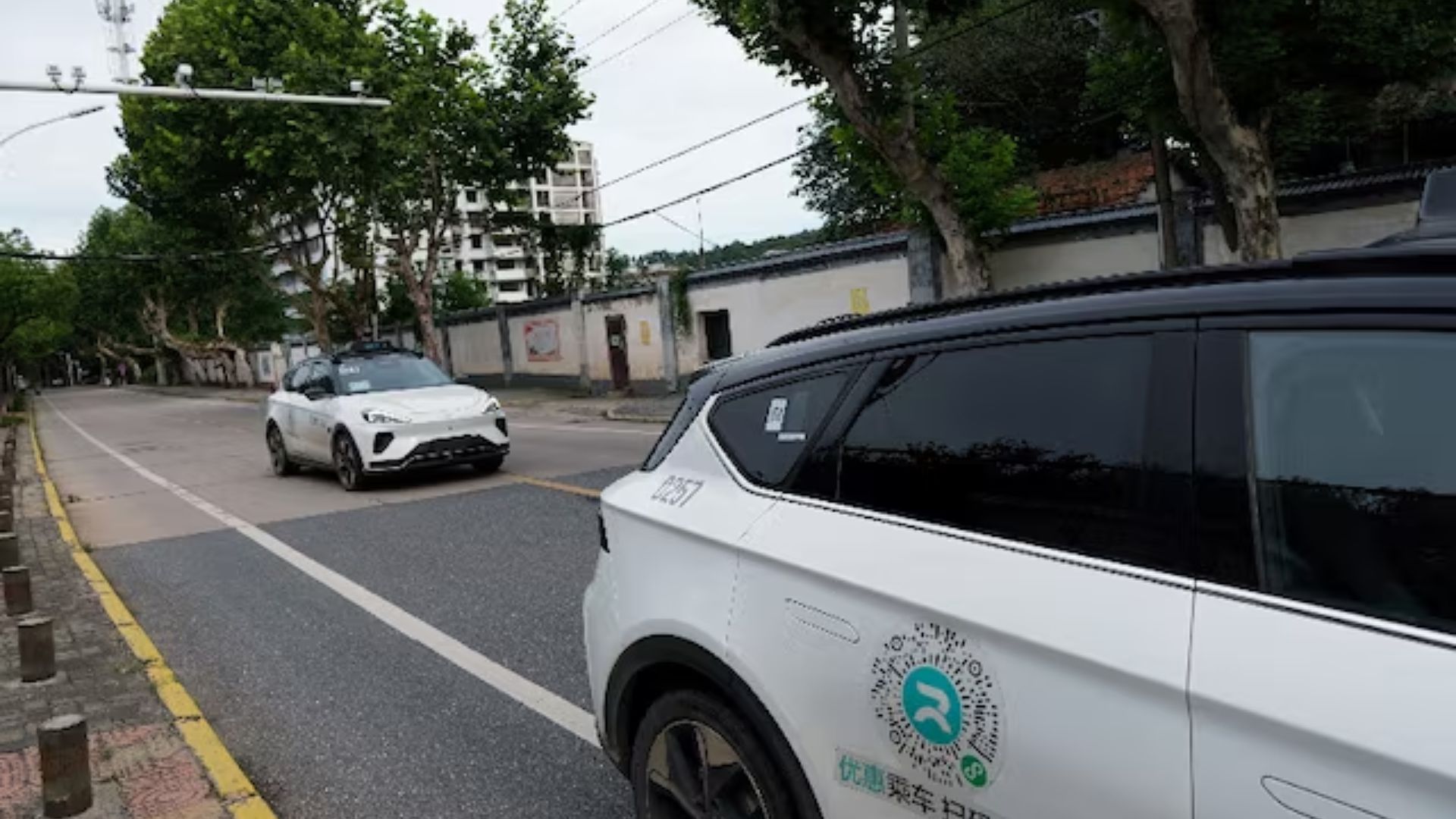
BEIJING, (Reuters) – China’s industry ministry unveiled on Thursday a roadmap to strengthen its smart electric vehicle industry, targeting large-scale deployment of autonomous-driving vehicles by 2030 and greater global influence for its auto sector.
Key targets and policy measures include:
- Vehicles with self-driving capabilities will see large-scale deployment, the ministry said, adding that automated driving will be rolled out on highways, urban expressways and selected city roads.
- China plans to develop multiple automakers that rank among the world’s top 10 by sales.
- Increase the global appeal of Chinese auto brands and strengthen China’s voice in international automotive standards.
- The ministry plans to reinforce the auto sector’s role as an economic pillar, with autonomous-driving vehicles achieving higher safety levels than human drivers.
- China will tighten rules on vehicle production, road safety, self-driving and software upgrades, while exploring special approval pathways for key components and low-volume vehicles.
- Increase oversight of vehicle and battery production capacity, curb overinvestment, encourage industry consolidation and eliminate inefficient capacity.
- Strengthen antitrust enforcement, improve product-quality supervision and promote fair competition, while curbing inappropriate incentives from local governments.
- Introduce guidelines to help automakers comply with rules when expanding overseas.
- The industry ministry also plans to encourage deeper cooperation between Chinese and foreign companies in vehicle and key-component research, investment and global market expansion.
Reporting by Qiaoyi Li and Liz Lee; Editing by Sherry Jacob-Phillips