

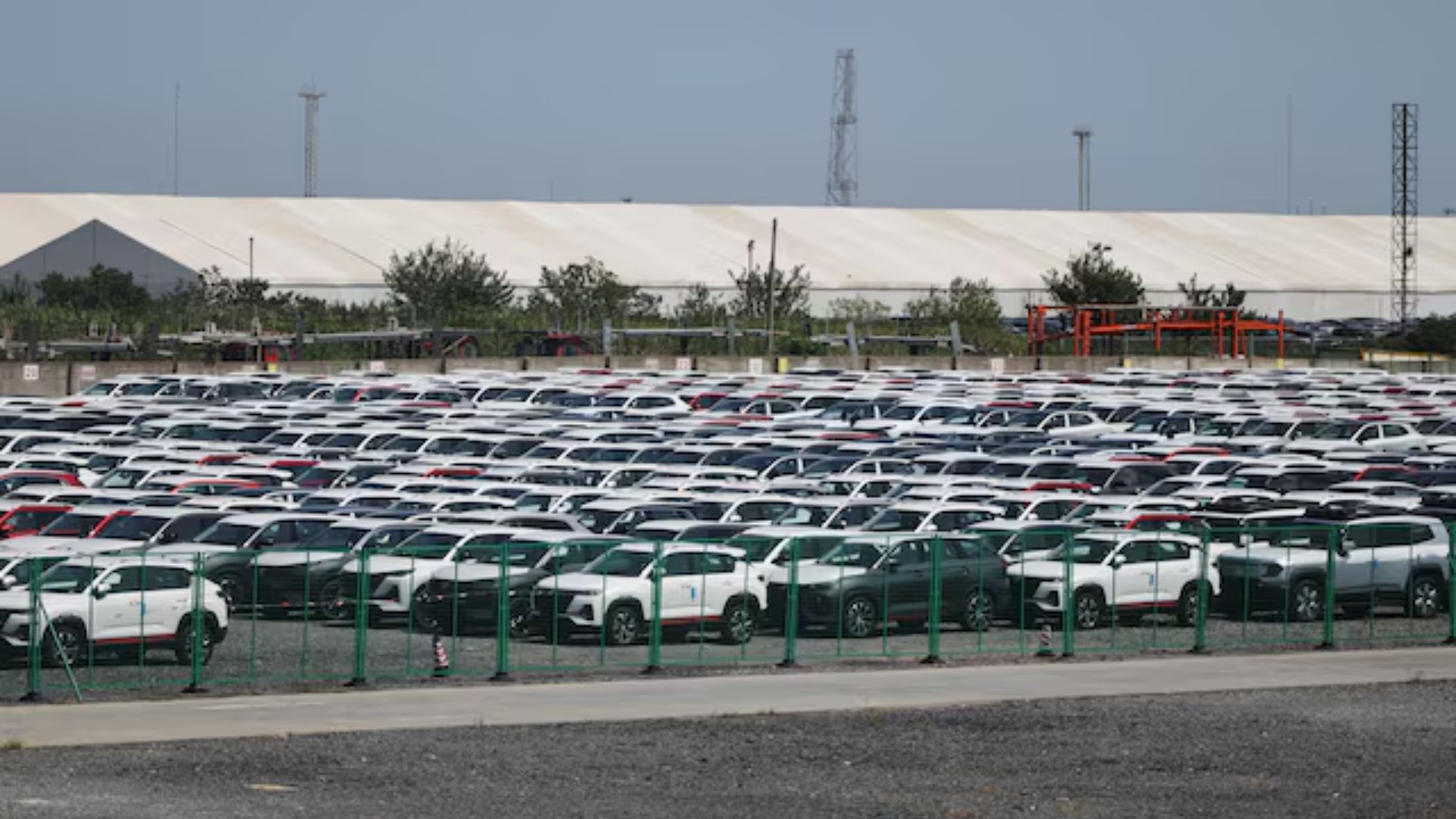
BEIJING, (Reuters) – Car exports, an increasingly important source of growth for China’s hyper-competitive auto sector, picked up pace in March despite shipment disruptions from the crisis in the Middle East, one of the industry’s key overseas markets.
Exports grew 73.7% from a year earlier to nearly 700,000 vehicles last month, faster than the 54.1% in the first two months, data from the China Passenger Car Association showed on Thursday.
“Car exports have entered a stage of super high growth, beating our expectations,” said Cui Dongshu, the association’s secretary-general.
Domestic sales dropped 15.2% from a year earlier to 1.67 million vehicles last month, a sixth straight month of decline, as rising fuel prices dampened demand for conventionally fuelled models while electric vehicle sales continued to feel the impact of reduced incentives amid a sputtering economic recovery.

Combustion engine car sales were down 15.7%, accelerating from a 13.4% decline in the January-February period, although China has capped domestic fuel price hikes to soften the impact of surging oil prices from the Mideast conflict.
Dealers remain under pressure from bloated inventories, with an index tracking unsold vehicles ticking up last month as consumers showed little interest in buying new EVs on reduced incentives, including the end of a purchase tax exemption.

Facing cut-throat competition in the home market where sales of EVs and PHEVs slipped 14.4% year on year, EV giant BYD posted a seventh consecutive monthly sales drop in March, despite continued strong growth in overseas markets such as Europe where fuel price hikes drove EV demand.
BYD executives said they were optimistic the company would sell more than 1.5 million vehicles overseas this year.
Reporting by Qiaoyi Li, Zhang Yan and Ju-min Park; Editing by Tomasz Janowski and Kate Mayberry