

MOSCOW, (Reuters) – Oksana Yasinskaya’s sky-blue electric hatchback zipped past a long line of cars waiting for a filling station to reopen and pulled into an empty charging bay in southeast Moscow.
After plugging in her car, Yasinskaya looked across the deserted forecourt. Signs on the pumps apologised that they were temporarily out of fuel, an increasingly familiar sight in many parts of Russia, where Ukrainian strikes on energy targets have squeezed supplies.
The shortages have led to hours-long lines and higher prices for gasoline and diesel, prompting some drivers like Yasinskaya and her husband to switch to electric vehicles.
“Those fuel station queues settled the question. Never before had we considered buying an EV,” said Yasinskaya, a 36-year-old engineer who commutes into Moscow for work.
“I feel relieved because I don’t have to take part in this humiliating queue. I hate wasting time. I know people who spend two, three hours in queues or drive to refuel at night.”
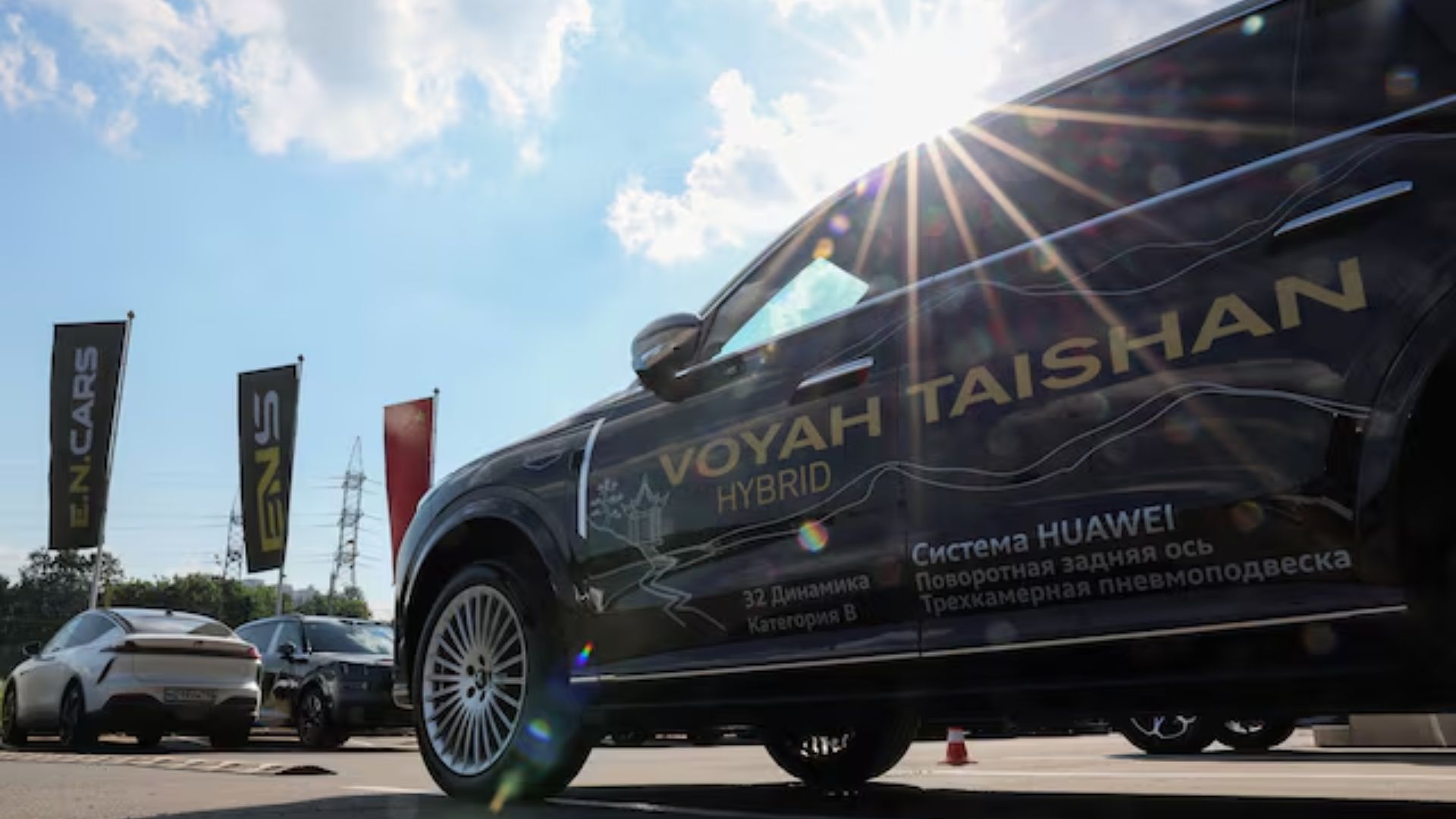
New EV and plug-in hybrid sales accelerated in June as the fuel shortages hit, according to analytical agency Autostat, which predicts the still small market will grow significantly if the fuel crisis persists.
Yasinskaya said she bought her car secondhand from a pensioner who had kept it mostly in the garage, storing pickle jars on its roof.
“We certainly will not regret it,” she said, describing how the cost of her commute has fallen about 80%.
Limited charging infrastructure and severe weather remain a significant challenge for EV drivers in Russia, but Yasinskaya said the amount of money she is saving means her family may swap their other car for a hybrid, since they can charge it easily at their home outside the city.
“Yay for electric cars for everyone,” she said, driving past another line of waiting motorists. “Those unfortunate, sad, unlucky people are just sitting there.”
Writing by Alessandra Prentice Editing by Ros Russell