
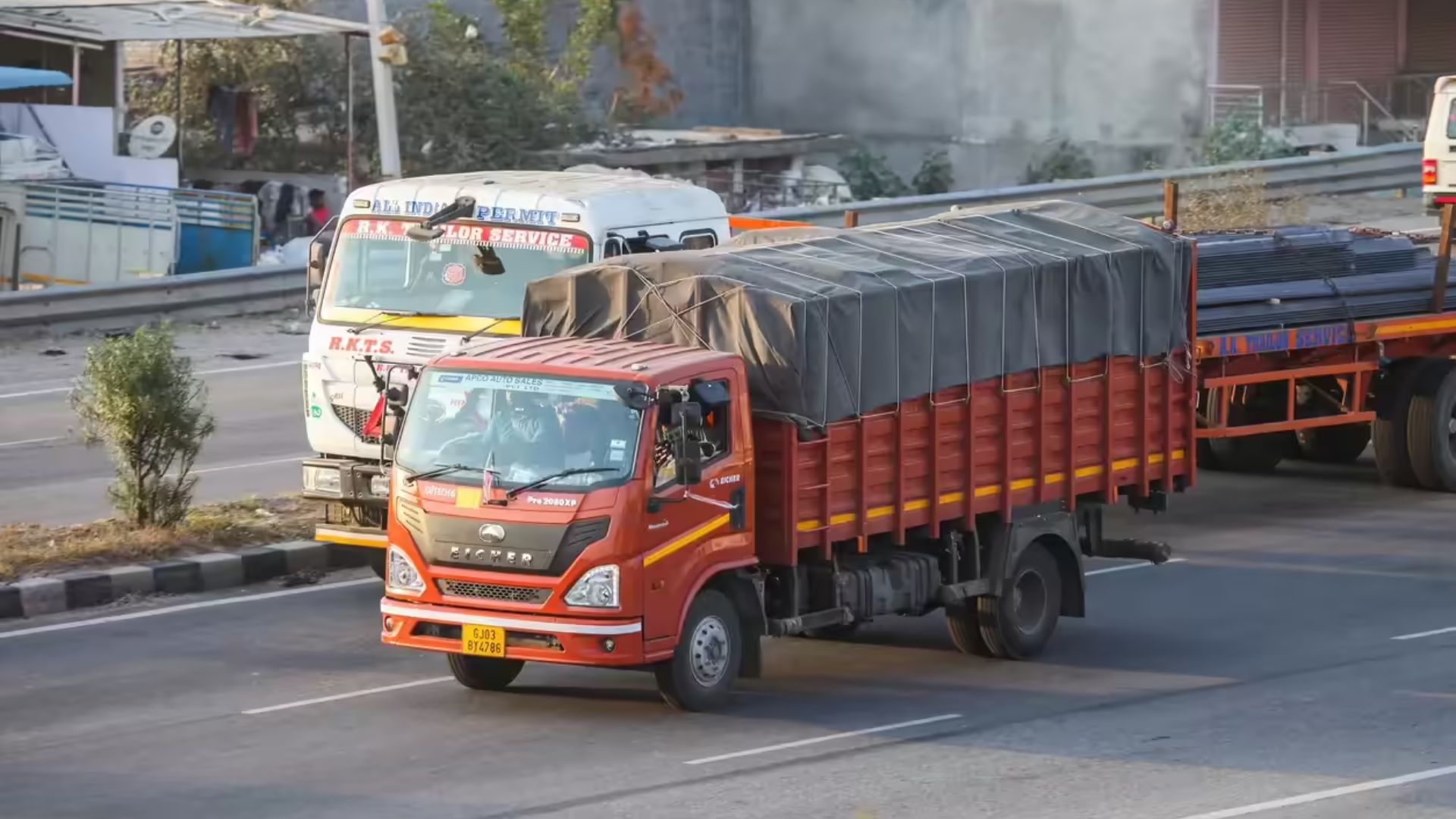
Source : PTI | The Delhi government has notified an increase in the environmental compensation charge (ECC) on commercial vehicles entering the national capital, Environment Minister Manjinder Singh Sirsa said on Wednesday, calling it a major step in the fight against air pollution.
According to an official statement, the decision follows directions of the Supreme Court and is based on recommendations of the Commission for Air Quality Management to restore the deterrent value of the charge and discourage polluting commercial vehicles from entering Delhi.
“This is a landmark step in Delhi’s fight against air pollution. The revised ECC is not merely a revenue measure, it is a strong environmental deterrent meant to discourage polluting commercial vehicles, especially diesel vehicles, from entering the capital unnecessarily,” Sirsa said.
He added, “Delhi cannot continue to bear the burden of avoidable vehicular pollution. By increasing ECC, the government is sending a clear message that polluting entry into Delhi will carry a significantly higher environmental cost.”
As per the revised structure, the ECC for Category 2, including light-duty vehicles, and Category 3, comprising two-axle trucks, has been increased from ₹1,400 to ₹2,000. For Category 4, which includes three-axle trucks, and Category 5, covering four-axle trucks and above, the charge has been raised from ₹2,600 to ₹4,000.
The Supreme Court, while examining the proposal, termed it reasonable, just and fair, and approved both the revised rates and a provision for annual escalation, the statement said.
The revised framework also mandates a 5 per cent annual increase in ECC, effective from April each year, to maintain its deterrent value and account for inflation.
Highlighting the rationale, Sirsa said a one-time increase would not be sufficient and that periodic escalation is necessary to nudge transporters towards cleaner and less-polluting alternatives.
The minister also said that commercial vehicles not required to enter Delhi, except those carrying essential goods, should use peripheral expressways to bypass the city, in line with directions of the apex court.
The government said the ECC, first introduced in 2015, had lost part of its effectiveness over time, necessitating a revision.
The move is part of a broader strategy to curb vehicular pollution, one of the major contributors to poor air quality in Delhi, and promote cleaner mobility options, the statement added.