

Summary
- SpaceX secures tax incentives for Terafab chip plant despite strong local opposition
- Residents voice concerns over resource strain, environmental impact and lack of project details
- Musk says proposed Texas fab would lift Grimes County tax revenue by around 25%
- Supporters cite job creation, investment and U.S. tech competitiveness against China
ANDERSON, Texas/NEW YORK, (Reuters) – SpaceX secured tax incentives on Wednesday for its proposed Terafab chip manufacturing project in Grimes County, Texas, despite fierce opposition from residents who warned the development could strain local resources and disrupt the rural community.
The project is central to SpaceX’s efforts to expand beyond rockets and satellite communications into advanced computing infrastructure and domestic chip production — ambitions that investors view as a key pillar of the company’s future growth.
Next week, SpaceX is expected to launch what could become the largest IPO in history at an expected valuation of $1.75 trillion, and investors will scrutinize whether the company can translate its dominance in space into new markets tied to AI and semiconductor manufacturing.
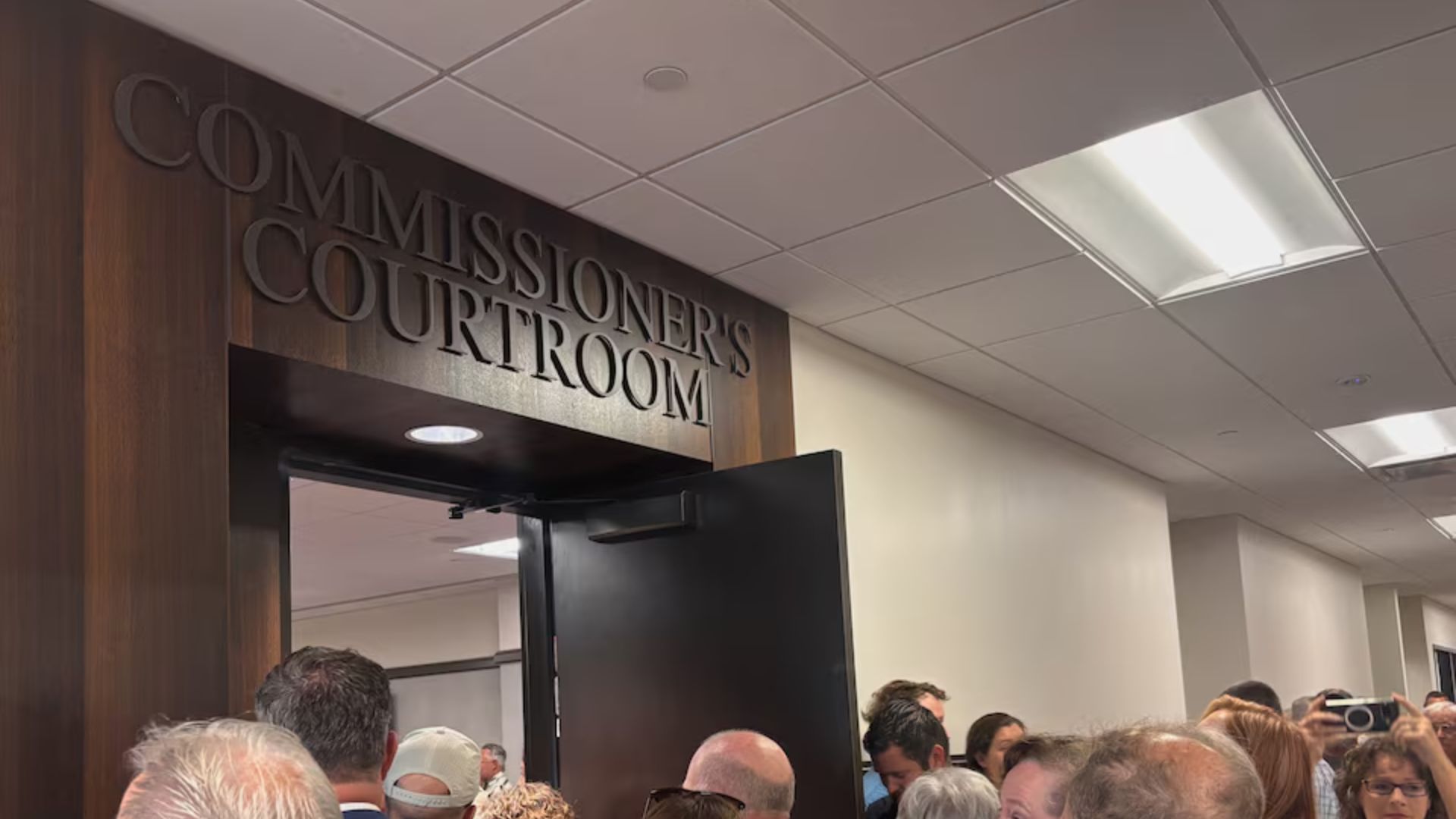
A vote on three proposals followed a contentious hearing that drew more than 100 residents to the Grimes County courthouse. They packed the courtroom, spilling into hallways as commissioners heard public comments on the ballot. Speakers warned the project could strain water and power supplies, harm wildlife and permanently alter the county’s rural character. One resident fought back tears while describing the potential impact of industrialization on the community and environment.
Grimes County, with a population of 34,000, features sprawling ranches and open land. Residents said the proposed site near the Gibbons Creek Reservoir is defined by dark nighttime skies, abundant wildlife and a quiet agricultural lifestyle.
“They sold out Grimes County,” one person said as attendees streamed out of the room after the votes.

COMMISSIONERS APPROVE TAX INCENTIVES
The result of the vote will allow Grimes County to negotiate tax abatements for a proposed chipmaking and advanced computing facility near the Gibbons Creek Reservoir.
SpaceX and its partner for the project, Tesla will invest $55 billion initially, potentially raising that to $119 billion if fully built out. Both companies are run by billionaire Elon Musk.
Three commissioners voted for the three proposals on the ballot: one that outlined SpaceX’s infrastructure, job and investment obligations, one for a reinvestment zone that made SpaceX eligible for tax incentives, and one that reduced SpaceX’s property-tax burden.
A tax abatement would temporarily reduce SpaceX’s tax bill and help attract investments, but critics say this supposed economic development tool can shift more of the tax burden onto residents and existing businesses.
Grimes County Commissioner David Tullos, the sole dissenter, questioned SpaceX attorney Bucky Brannen about the size of the proposed reinvestment zone and the company’s plans for portions of the land included within it.
Brannen said the final footprint of the project had not yet been determined and sought to reassure residents that “no one is going to be forced to sell their homes.”
John Federspiel, senior director of Starlink Product Engineering at SpaceX, said at the hearing: “We recognize that large projects bring legitimate questions about infrastructure and environmental stewardship. Our company is committed to proactively addressing those concerns and taking care of them responsibly.”
Tullos, the dissenting commissioner, said before the vote: “I have a real problem with the fact that we’re going to be giving them a 100% tax abatement.” He said an economic agreement would give the county a payment in lieu of taxes, known as a pilot, of $20 million a year.
Musk, in a post on X late on Wednesday, argued that the agreement would still result in a substantial increase in county revenues.
“SpaceX will still be paying an annual amount that increases tax revenue for Grimes County by ~25% and will be by far the biggest source of revenue for the county,” Musk said.
He said the company requested the incentives because chip manufacturing facilities require large investments in costly equipment and that property taxes on those assets could put the project at a competitive disadvantage relative to other semiconductor plants globally.

RESIDENTS VOICE STRONG OPPOSITION
While opposition dominated the hearing, a small number of speakers backed the project, arguing it would bring jobs and investment to a county they described as economically disadvantaged, while helping the United States compete with China in advanced technology.
Many residents urged commissioners to delay the vote, arguing they had been given too little information about the project’s scope and impacts. Shirley Hesse, who lives near the proposed site, said she feared the development would strain local water and power resources. Developers, she said, “use utilities and don’t pay for it, and taxpayers have to pick up the bill.”
“They’re being asked to vote today on something they don’t understand,” said Kerry Bost of nearby Iola, Texas. Bost said she worried about impacts including light pollution.
Several residents questioned why local officials were considering tax incentives for a company that is expected to raise $75 billion in its IPO.
“On a community level, I’m against the tax abatement for the world’s richest man,” resident Sadie May said, referring to Musk.
“You cannot convince me that Elon needs assistance from Grimes County for this project. You have been offering the world’s richest man a Black Friday deal on our resources and our way of life.”

Reporting by Sheila Dang in Anderson, Texas, and Akash Sriram in New York; Additional reporting by Mrinmay Dey in Mexico City; Editing by Sayantani Ghosh, David Gregorio, Matthew Lewis and Jacqueline Wong