

By WAF Think Tank
E20 Fuel Transition in India
(Balancing Energy Security, Environment, and Consumer Interests)
Background
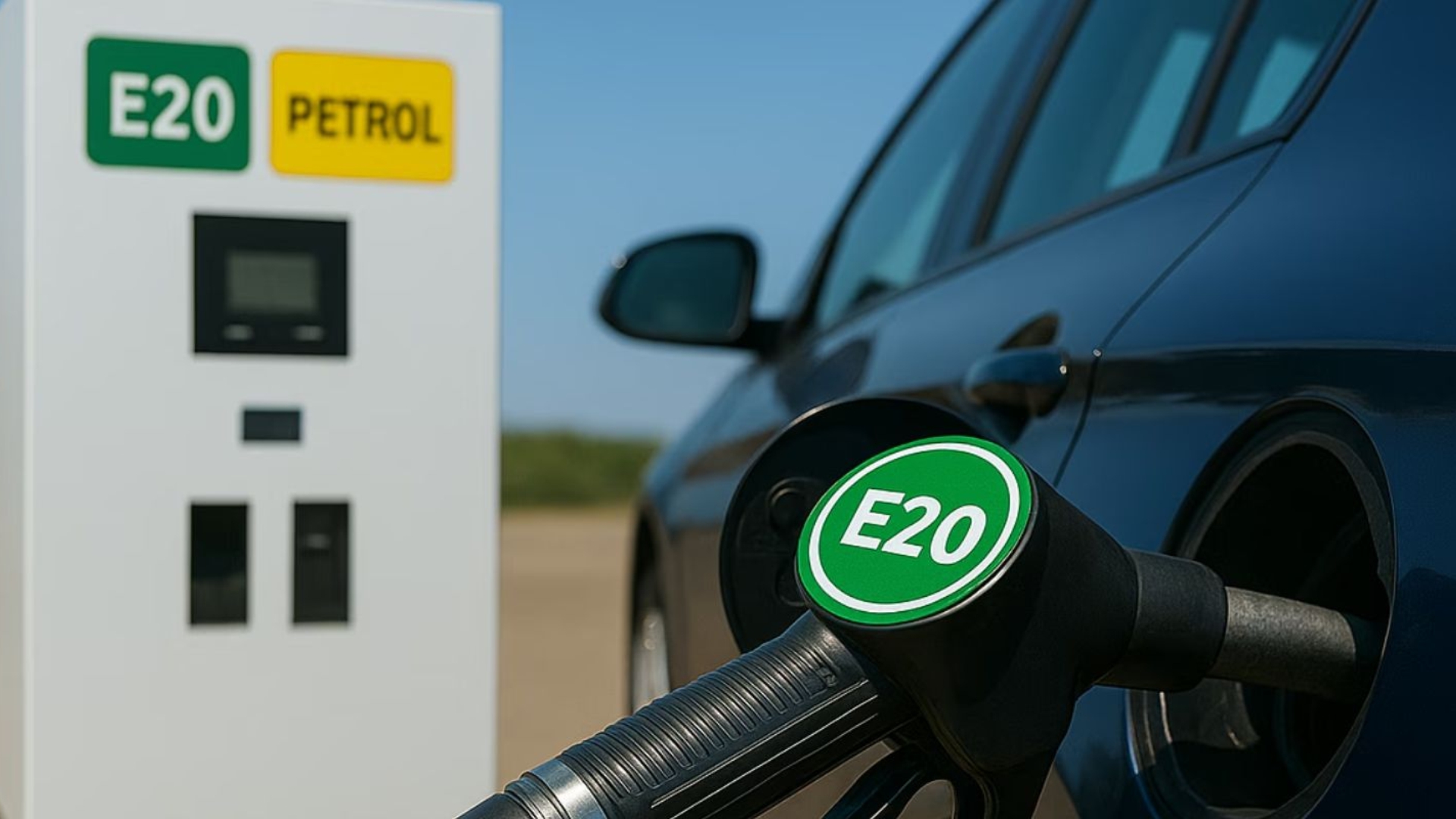
- India has advanced its ethanol blending programme, rolling out E20 petrol nationwide in 2025, five years ahead of schedule.
- While this supports energy security, farmer income, and reduced carbon footprint, it has triggered consumer backlash due to vehicle compatibility, mileage loss, and lack of fuel choice.
- A PIL is pending in the Supreme Court seeking dual-fuel availability and better transparency.
Key Concerns
- Vehicle Compatibility – Cars/bikes made before April 2023 largely designed for E10, not E20. Risks: rubber/seal degradation, corrosion, warranty disputes.
- Mileage Loss – Consumers report 10–25% lower fuel efficiency, higher running costs. Govt studies show only 2–6% drop, creating trust gap.
- No Consumer Choice – E20 is often the only option at pumps, unlike Brazil/US which offered phased, multiple blends.
- Price & Supply Issues – Ethanol costs more than refined petrol in India; E20 sold at same price means consumers pay more per km.
- Communication Gap – No clear public guidance on safe use, maintenance, or OEM warranty coverage.
Proposed Solutions
Short Term (0–3 years)
- Dual Fuel Availability: Ensure E10 and E20 both available until older fleet naturally phases out.
- Mandatory Labelling: Petrol pumps must display ethanol percentage clearly.
- Warranty & Retrofit Clarity: OEMs to publish E20-compatibility lists and offer retrofit kits for critical components (fuel lines, seals).
- Awareness Campaign: Nationwide drive on how E20 affects mileage and vehicle care.
Medium Term (3–7 years)
- Phased Mandate:
- E20 compulsory for new vehicles only.
- Older vehicles permitted to use E10.
- Incentives: Tax rebates or reduced GST on E20-compliant vehicles.
- Price Alignment: E20 should be cheaper than E10, reflecting lower energy density.
Long Term (Beyond 2030)
- Sustainable Ethanol Production: Prioritize 2G ethanol (crop residue, waste) over sugarcane to avoid food-fuel conflict and water stress.
- E30 Roadmap: Gradual transition with parallel development of flex-fuel and EV technologies.
Anuj Guglani, CEO, WAF commented, ‘The E20 initiative is a bold climate & energy step, but success depends on consumer trust and smooth transition. A phased, choice-based rollout with transparency and safeguards will prevent backlash, protect existing vehicle owners, and still achieve national energy goals.’
⚖️ Balanced policy ensures farmers, automakers, and consumers all benefit—while India accelerates towards clean mobility.