
Volkswagen reclaims top spot in China car sales, BYD falls to fourth as EV subsidies fadeBEIJING, (Reuters) – Volkswagen reclaimed car sales dominance in China, the world’s largest auto market, in the first two months of 2026 when Toyota ​also regained ground, both overtaking local electric vehicle champion BYD, ‌amid fading subsidies for greener cars. VW’s Chinese joint ventures with FAW and SAIC held a combined 13.9% share of the country’s passenger vehicle market in sales ​terms, followed by Geelys 13.8% and a combined 7.8% from Toyota’s ​JVs with GAC and FAW, data from the China Passenger ⁠Car Association showed. The legacy automakers’ comeback in the market where they ​have been struggling to catch up with local rivals in EVs comes ​as purchase tax exemptions on electric cars expire and Beijing scales back subsidies for trading in EVs. As subsidies fade, hybrid EVs that Toyota specialises in were shown ​to have steered some consumers away from PHEVs, said Cui Dongshu, secretary-general ​at CPCA. Local automakers betting on budget electric and plug-in hybrid vehicles take the biggest ‌hits ⁠from the curtailed incentives. BYD, which unseated VW as the biggest carmaker in China by sales in 2024 and held onto the crown last year, fell to fourth place with 7.1% market share in the January-February ​period when its overall ​sales posted ⁠the biggest drop since the pandemic. The biggest competitor to Tesla unveiled its first major battery upgrade in six years ​last week to revive sales in its home market ​where a ⁠shift toward a value-driven auto market away from bruising price wars is well in motion. VW has begun mass production of its first model co-developed ⁠with Chinese ​partner Xpeng (9868.HK), opens new tab, the German automaker said on ​Friday. It is set to launch more than 20 new EV models in China this ​year alone. Reporting by Qiaoyi Li and Ju-min Park; Editing by Emelia Sithole-Matarise

BEIJING, (Reuters) – Volkswagen reclaimed car sales dominance in China, the world’s largest auto market, in the first two months of 2026 when Toyota ​also regained ground, both overtaking local electric vehicle champion BYD, ‌amid fading subsidies for greener cars.

VW’s Chinese joint ventures with FAW and SAIC held a combined 13.9% share of the country’s passenger vehicle market in sales ​terms, followed by Geelys 13.8% and a combined 7.8% from Toyota’s ​JVs with GAC and FAW, data from the China Passenger ⁠Car Association showed.

The legacy automakers’ comeback in the market where they ​have been struggling to catch up with local rivals in EVs comes ​as purchase tax exemptions on electric cars expire and Beijing scales back subsidies for trading in EVs.

As subsidies fade, hybrid EVs that Toyota specialises in were shown ​to have steered some consumers away from PHEVs, said Cui Dongshu, secretary-general ​at CPCA.

Local automakers betting on budget electric and plug-in hybrid vehicles take the biggest ‌hits ⁠from the curtailed incentives.

BYD, which unseated VW as the biggest carmaker in China by sales in 2024 and held onto the crown last year, fell to fourth place with 7.1% market share in the January-February ​period when its overall ​sales posted ⁠the biggest drop since the pandemic.

The biggest competitor to Tesla unveiled its first major battery upgrade in six years ​last week to revive sales in its home market ​where a ⁠shift toward a value-driven auto market away from bruising price wars is well in motion.

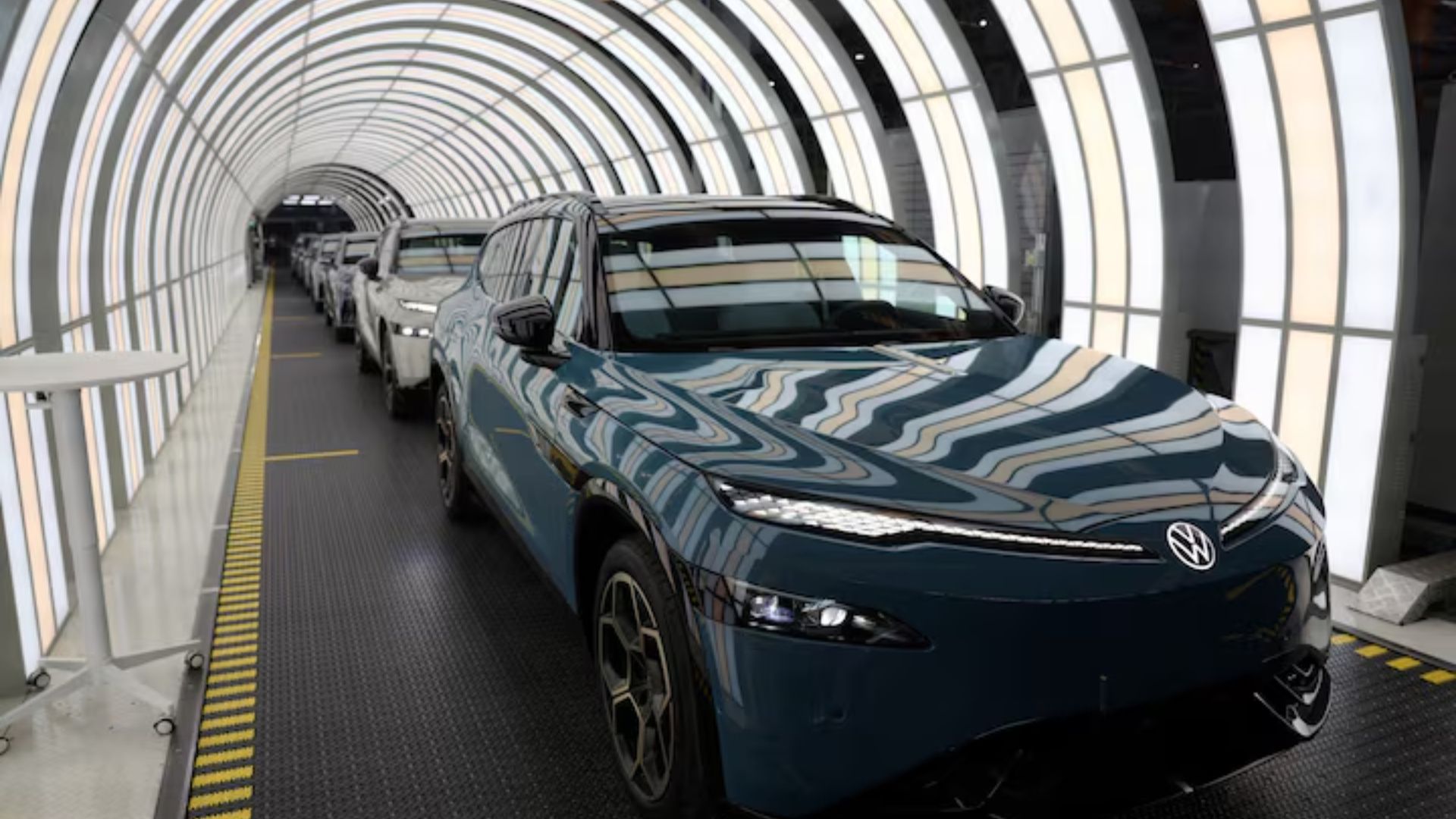
VW has begun mass production of its first model co-developed ⁠with Chinese ​partner Xpeng (9868.HK), opens new tab, the German automaker said on ​Friday. It is set to launch more than 20 new EV models in China this ​year alone.

Reporting by Qiaoyi Li and Ju-min Park; Editing by Emelia Sithole-Matarise