
By WAF Think Tank
The Context: India’s Most Brutal Battleground
The mid-size SUV segment in India is no longer just competitive—it is hyper-competitive. Dominated by players like Hyundai Creta, Kia Seltos, and newer challengers like the Renault Duster (reborn), this segment defines brand relevance in India.
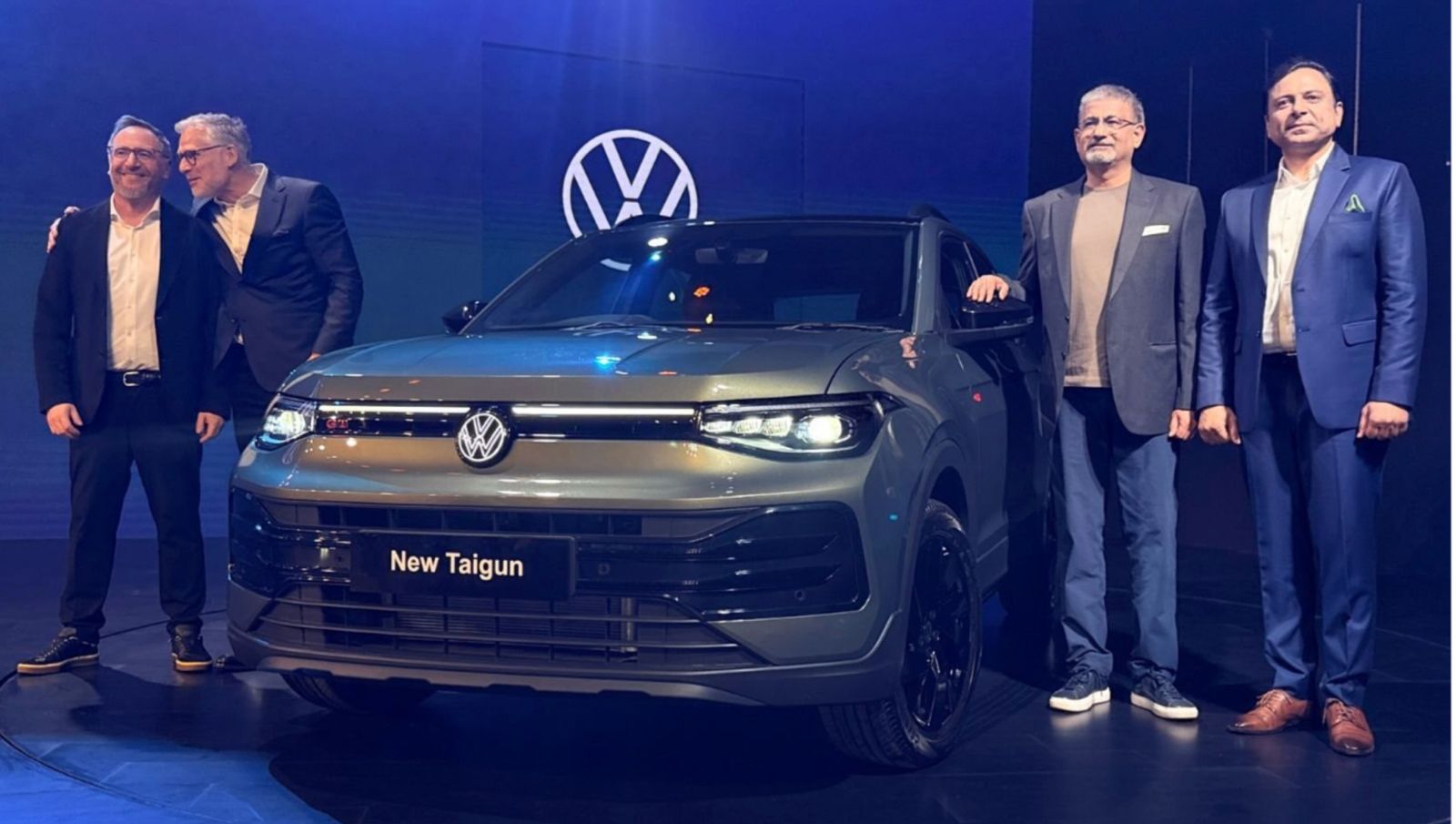
Into this arena steps the refreshed Volkswagen Taigun, a product that has always stood for German engineering, safety, and driving dynamics—now aims for perceived feature richness and mass-market appeal.
The facelift, therefore, is not just cosmetic—it is strategic.
1. Design: Premiumisation with Global DNA
Volkswagen has clearly leaned into its global design language:
- Sleeker LED headlamps with connected light bar
- Illuminated VW logo (front & rear)
- More rounded, less boxy fascia inspired by Tiguan/Tayron
- Refreshed bumpers and alloy wheel designs
2. Powertrain Strategy: Refinement Over Reinvention
Mechanically, Volkswagen has chosen continuity with smart tweaks:
- Retains 1.0L and 1.5L TSI engines
- Introduces new 8-speed automatic gearbox (1.0L)
- Continues 7-speed DSG for 1.5L
- Focus on better fuel efficiency and smoother highway cruising
WAF Take:
Instead of chasing hybrid or EV disruption, Volkswagen is doubling down on internal combustion excellence—but with refinement upgrades that matter to Indian consumers.
3. Feature Game: Closing the Perception Gap
Historically, the Taigun’s biggest gap vs rivals has been feature perception.
The facelift addresses this aggressively:
- 40+ new features introduced
- Enhanced infotainment & connectivity
- Improved cabin materials and ergonomics
- Potential additions like panoramic sunroof, ventilated seats, etc.
WAF Take:
Volkswagen is signalling a shift from “engineering-first” to “engineering + experience”—a critical evolution in India.
4. Safety: Reinforcing a Core Differentiator
The Taigun already enjoys 5-star Global NCAP safety credentials
With the facelift:
- Enhanced safety features expected
- Reinforcement of “safe German SUV” positioning
WAF Take:
In an era of rising safety awareness, Volkswagen’s early investment in safety is now paying brand dividends.
5. Platform Strategy: MQB-A0-IN Still Holds
Built on the MQB-A0-IN platform, shared with the Skoda Kushaq:
- High localisation
- Strong driving dynamics
- Cost optimisation for India
WAF Insight:
This platform remains Volkswagen Group’s India backbone, enabling scalability while maintaining European DNA.
6. Competitive Positioning: Playing Catch-Up or Smart Timing?
Key rivals include:
- Hyundai Creta
- Kia Seltos
- Skoda Kushaq
- Maruti Grand Vitara / Toyota Hyryder
The facelift positions Taigun as:
- More premium than before
- More feature-rich than before
- Still driver-focused vs comfort-focused rivals
WAF Take:
This is may not be a disruptive launch—it is a well-timed correction to stay relevant.
7. The Real Strategic Signals
1. Volkswagen is Listening to India
From design to features, this facelift shows clear localisation of consumer insights.
2. ICE Isn’t Dead (Yet)
Instead of rushing hybrids, VW is refining TSI + transmission tech—a pragmatic move for India’s cost-sensitive market.
3. Brand Repositioning Underway
From:
- “Solid but understated”
To:
- “Premium, visible, tech-forward German SUV”
8. The Risks
- Still no clear ADAS push (a growing segment expectation)
- Late entry into feature arms race
- Stronger hybrid competition emerging
WAF Verdict: Evolution Done Right, But Not Enough Yet
The Volkswagen Taigun facelift is:
 A necessary upgrade
A smart response to market realities
A clear signal of Volkswagen’s India intent
Final WAF Insight
In India’s SUV war, success is no longer about engineering excellence alone.
It is about:
Engineering + Emotion + Experience + Economics
Volkswagen has now aligned with 3 out of 4.
The next leap will require mastering the fourth: Economics at scale.