

Summary
- Expects to build up to 40,000 EX60 SUVs this year
- May add extra week of production in summer to meet demand
- Aiming for similar price to plug-in hybrid version of model
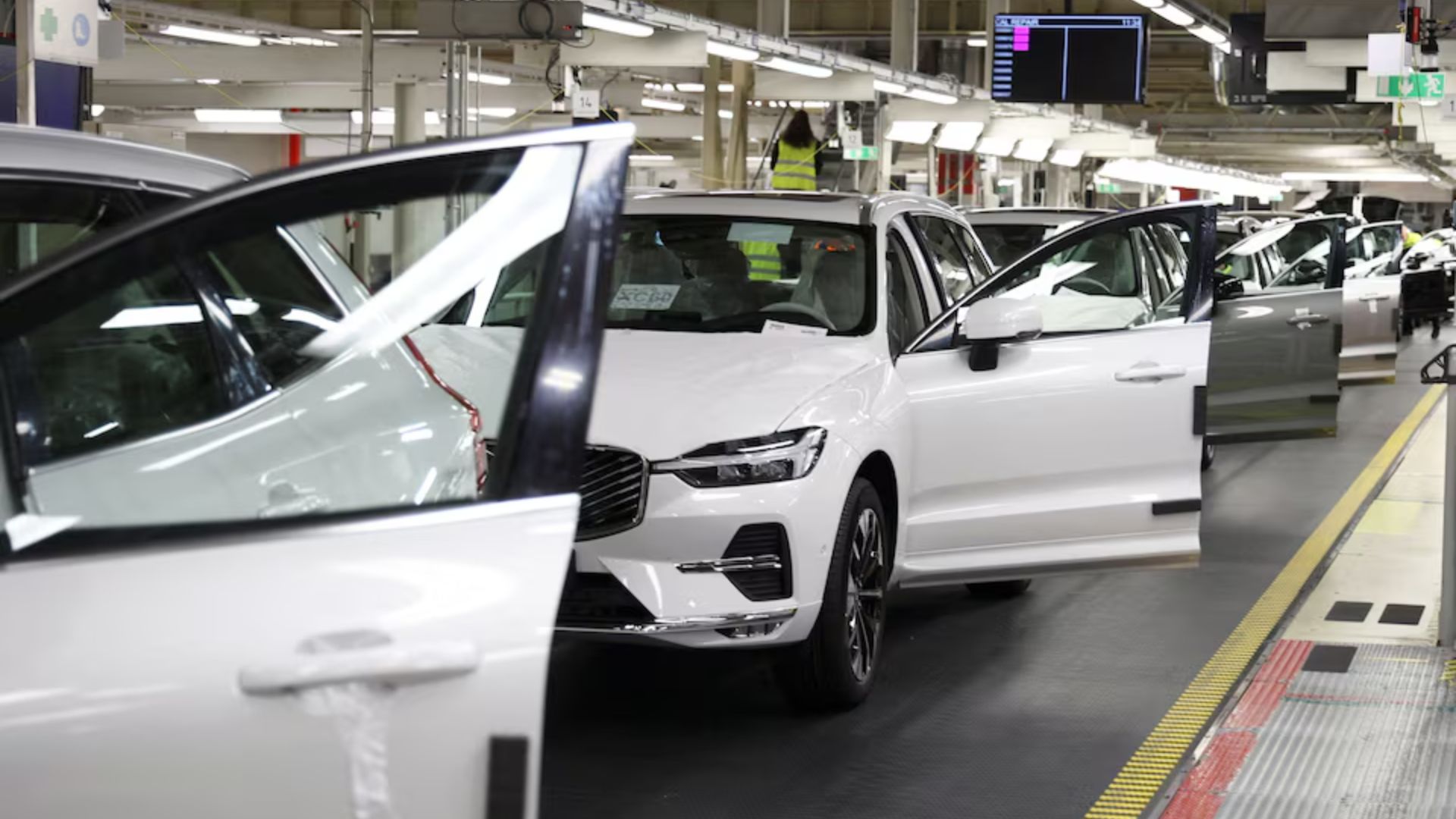
GOTHENBURG, Sweden, (Reuters) – Volvo Cars expects to build up to 40,000 of its new flagship electric model this year, with demand exceeding initial expectations, its CEO told Reuters as the automaker started production of the EX60 SUV in Sweden on Wednesday.
Volvo, which unveiled the model in January, said it is considering adding an extra week of production during the summer to meet demand.
“Interest has been above our planned order intake, higher than planned … so at least we know we have the customers … the challenge is now on delivering, not selling,” CEO Hakan Samuelsson told Reuters.
The production launch sets Volvo apart from several rivals that have scaled back electrification plans, cancelled electric models or revived diesel offerings as demand softens in parts of the market.
HYBRID PRICE POINT
Chief Commercial Officer Erik Severinson said Volvo was aiming to price the EX60 at roughly the same level as the plug-in hybrid version of the model.
“That budget we know they have for a plug-in hybrid. And if we can hit that price point with EX60 … we will have customers,” he said.
High prices have been a major obstacle to wider EV adoption, while lower-priced hybrids have gained traction as a bridge between combustion-engine and fully electric cars.
NEW PRODUCTION PLATFORM
The EX60 SUV is the first model built on Volvo Cars’ new production platform, which has required extensive changes to its Torslanda factory in western Sweden.
“This is an all-new car introducing new technology …. Now that has to be ramped up to a very high pace from zero,” Samuelsson said.
Volvo has launched several EV models in recent years, but deliveries have been hindered by problems affecting the smaller EX30 and the larger EX90, including software glitches, supply-chain constraints and tariff-related delays.
Order books in Europe are open, and are expected to open in the U.S. during the spring, the company said.
Reporting by Marie Mannes, writing by Greta Rosen Fondahn. Editing by Terje Solsvik and Mark Potter