

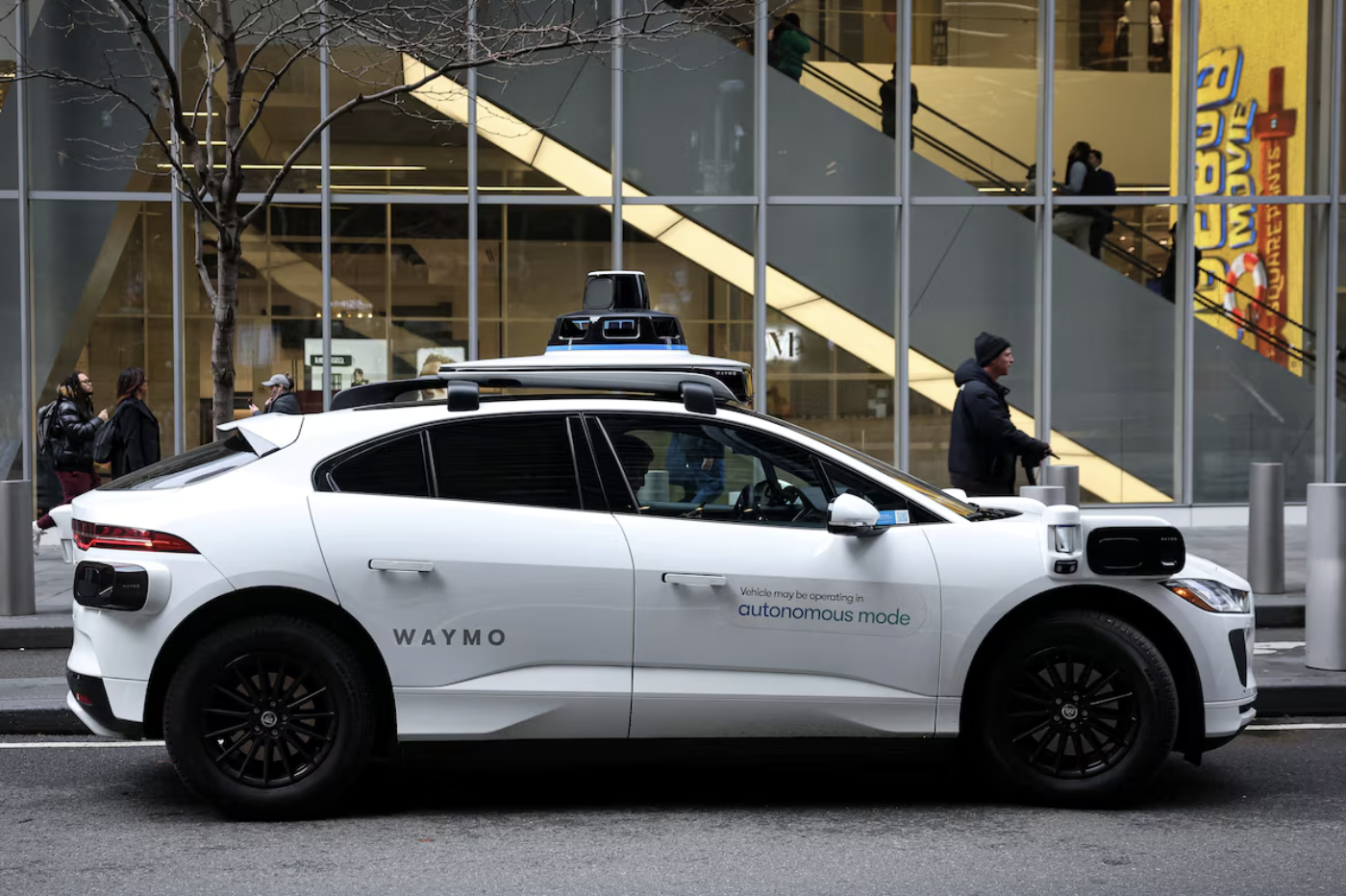
WASHINGTON, (Reuters) – Alphabet (GOOGL.O), unit Waymo said Friday it would issue a recall for its self-driving vehicles after Texas officials said they illegally passed school buses at least 19 times since the start of the school year.
The National Highway Traffic Safety Administration, which opened a probe in October into Waymo vehicles near school buses, had asked the self-driving car company on Wednesday to answer questions about the Texas incidents by January 20.
“Holding the highest safety standards means recognizing when our behavior should be better. As a result, we have made the decision to file a voluntary software recall with NHTSA related to appropriately slowing and stopping in these scenarios,” Waymo Chief Safety Officer Mauricio Pena said in a statement.
Pena added the company believes software updates that have been implemented meaningfully improved performance.
Waymo said a software issue contributed to self-driving vehicles initially slowing or stopping for a school bus then proceeding.
The recent software update will be applied under the recall, and a Waymo spokesperson said the company “will continue to track and implement more updates as needed.”
In a November 20 letter posted by NHTSA, the Austin Independent School District said five incidents occurred in November after Waymo software updates to resolve the issue.
The school system asked the company to halt operations around schools during pick-up and drop-off times until it could ensure the vehicles would not violate the law.
“We cannot allow Waymo to continue endangering our students while it attempts to implement a fix,” a lawyer for the school district wrote, saying a Waymo was “recorded driving past a stopped school bus only moments after a student crossed in front of the vehicle, and while the student was still in the road.”
The school district told Reuters on Thursday that Waymo refused to halt operations around schools. In response, Waymo said on Friday it was “continuing to operate” and it believes its software updates have made its vehicles’ performance “better than human drivers in this important area.”
Reporting by David Shepardson; editing by Diane Craft and Cynthia Osterman