

By WAF Think Tank
• Bharat Taxi App Launched in New Delhi by Shri Amit Shah
• Services rolled out in Delhi- NCR and Gujarat
• To spread to all States and Union territories in 2 years
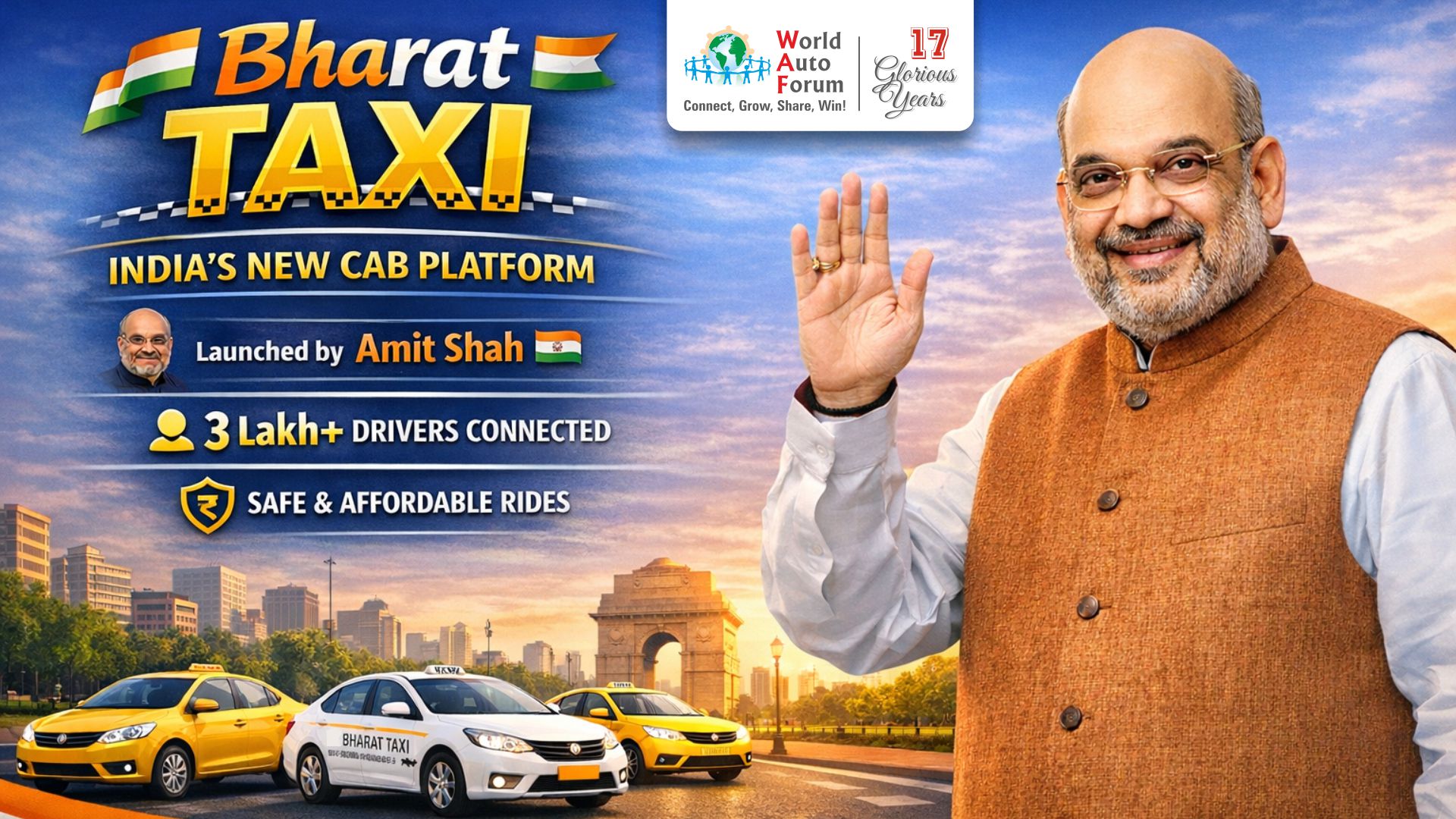
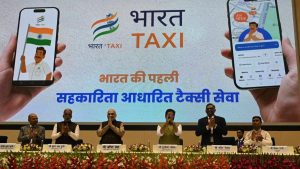
India’s mobility landscape is witnessing a quiet but powerful disruption — not driven by venture capital alone, but by cooperation, inclusion, and collective ownership. The launch of Bharat Taxi, a cooperative cab platform joined by over 3 lakh drivers and inaugurated by Union Home Minister Amit Shah, marks a historic moment in the evolution of India’s gig economy.
Unlike conventional ride-hailing platforms dominated by private corporations, Bharat Taxi represents a driver-owned, cooperative digital mobility model — aligned with the Government of India’s vision of Sahakar se Samriddhi (Prosperity through Cooperation).

A New Model for India’s Gig Economy
For over a decade, app-based taxi platforms have transformed urban transport but have also raised serious concerns:
- High commission charges
- Income instability for drivers
- Limited social security
- Algorithmic control over livelihoods
Bharat Taxi offers a fundamentally different philosophy:
Drivers are not contractors. They are stakeholders.
Under the cooperative structure:
- Drivers are members and co-owners
- Profits are shared among the community
- Decision-making is democratic
- Platform governance remains transparent
This shifts the power balance from platform-centric to people-centric mobility.
Why Shri Amit Shah’s Launch Matters
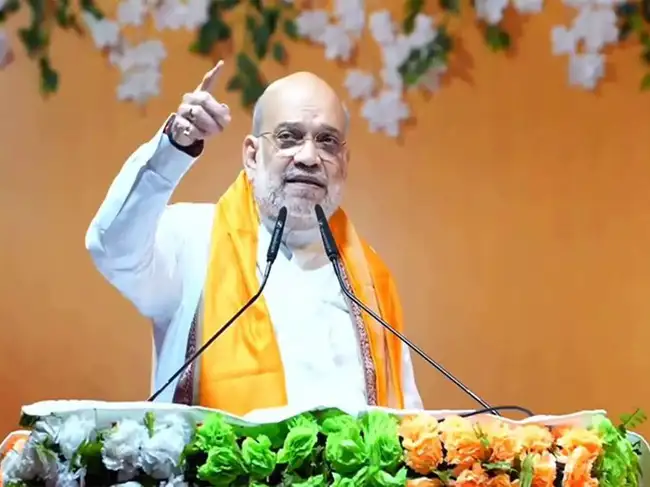
The launch by Shri Amit Shah gives Bharat Taxi both political endorsement and national visibility. He mentioned that over the next 3 years it shall expand across the country “from Kashmir to Kanyakumari and Dwarka to Kamakhya.”
He also added that it’s time the “Driver becomes the Owner”
It reinforces three major policy signals:
- Cooperative economy as a growth engine
The platform fits into India’s broader push to revive and modernize cooperative institutions using technology. - Formalisation of the gig workforce
With nearly 3 lakh drivers already onboard, Bharat Taxi could become one of India’s largest organized driver networks. - Digital public infrastructure for mobility
Much like UPI revolutionised payments, Bharat Taxi could evolve into a public-interest mobility platform driven by Indian values.
Economic Impact: From Survival to Stability
For drivers, the implications are transformational:
- Lower platform commissions → higher take-home income
- Collective bargaining power → fairer policies
- Access to insurance & welfare schemes
- Predictable earnings and dignity of work
Instead of chasing incentives and bonuses controlled by algorithms, drivers gain ownership of their economic future.
This is particularly critical when India’s gig workforce is projected to exceed 23 million workers by 2030.
Social Impact: Mobility with Trust
Bharat Taxi’s cooperative character could also improve passenger experience:
- Higher accountability through member ownership
- Reduced cancellations and disputes
- Stronger local driver communities
- Trust-based service ethos
In a country where trust deficits plague digital services, a cooperative model can restore human connection in mobility.
Strategic Importance for India
Bharat Taxi aligns closely with several national priorities:
- Atmanirbhar Bharat – Indian platform, Indian ownership
- Digital India – tech-enabled cooperatives
- Inclusive Growth – benefits distributed to workers
- Employment Security – long-term livelihood creation
It also presents a scalable template for other sectors:
- Delivery services
- Logistics
- Farm transport
- Ambulance and healthcare mobility
- Tourism transport
Challenges Ahead
While promising, the journey will not be without hurdles:
- Competing with well-funded global platforms
- Building robust technology and user experience
- Ensuring operational efficiency at scale
- Maintaining cooperative discipline and governance
Success will depend on:
- Continuous government and institutional support
- Professional management
- Strong technology backbone
- Transparent financial systems
A Blueprint for People-First Platforms
Anuj Guglani, CEO, WAF said, ‘Bharat Taxi is more than just another cab app. It is a symbol of India’s attempt to truly humanise and democratise the digital economy. If implemented effectively, it could redefine how platforms operate in India — shifting from profit-maximisation to community maximisation.’
As Amit Shah emphasised at the launch, cooperative enterprises backed by technology can become engines of both growth and justice.
Important Thoughts
Bharat Taxi represents a bold experiment at the intersection of:
- Technology
- Cooperation
- Mobility
- Social equity
With 3 lakh drivers already on board, the platform has scale, intent, and momentum. The question now is whether India can nurture it into a sustainable national mobility institution.
Mr Guglani added, ‘If successful, Bharat Taxi may well become: India’s first truly people-owned digital transport platform — built by drivers, for drivers, and serving the nation.’