

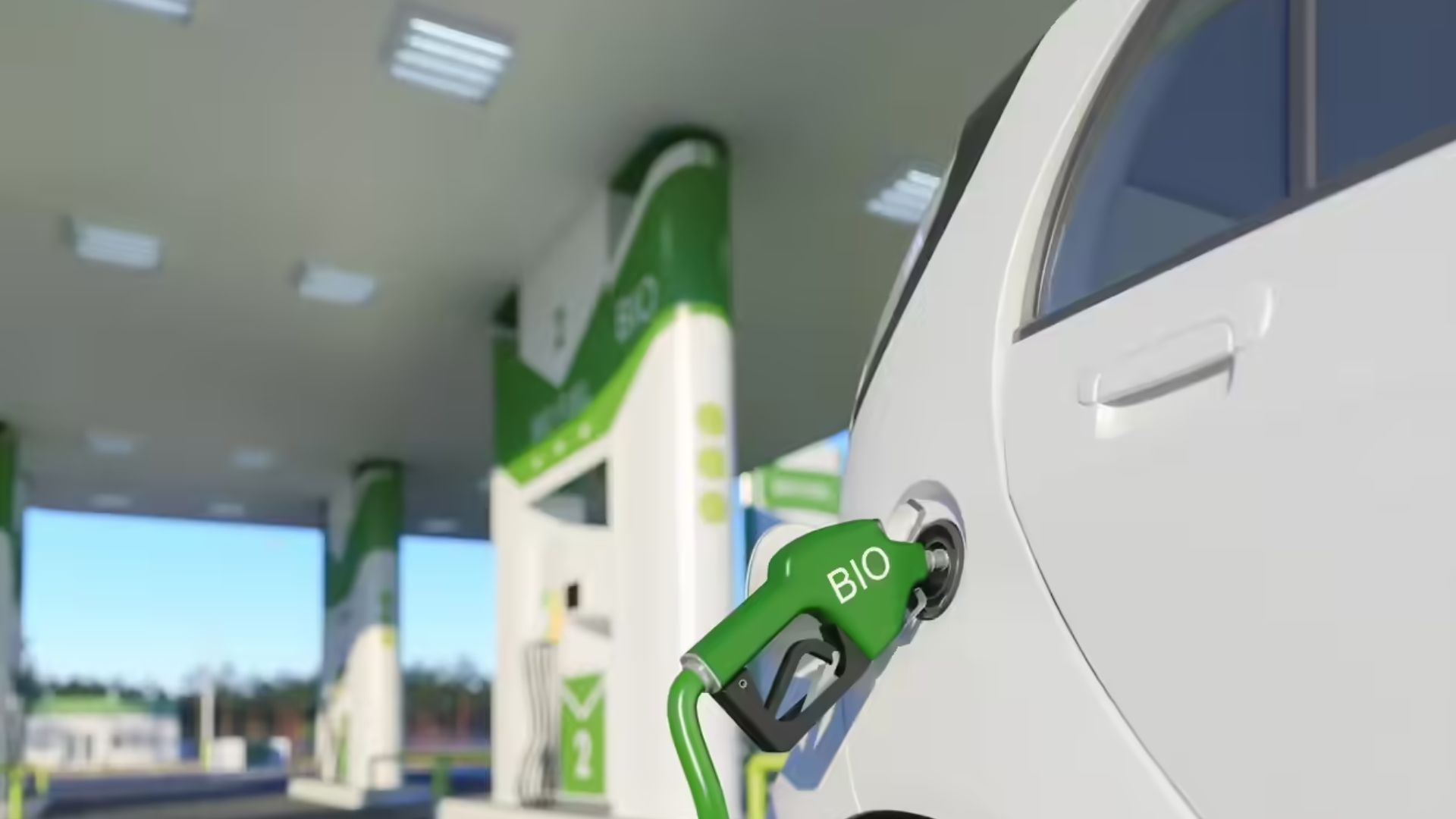
Source : PTI | The government is rolling out 50-100 ethanol fuel stations in Delhi-NCR, Pune, Mumbai and Nagpur, with an aim to reduce imports of fossil fuels, Petroleum and Natural Gas Minister Hardeep Singh Puri said on Thursday.
He expressed hope to expand this network of ethanol fuel stations to 500 by the end of 2026.
Speaking on the sidelines of the launch of India’s first flex fuel car by Maruti Suzuki, Puri said he anticipates that by the end of 2027, India will have 5,000 ethanol fuel stations.
“I think we are starting with about 50 to 100 (ethanol) dispensing stations in Delhi-NCR region, Pune, Mumbai, and Nagpur, etc. This 50-100 (ethanol) dispensing stations will hopefully go up to 500 towards the end of 2026,” he said.
The minister said if the Euro VI standard vehicle can be made compliant with E100, it will also help in reducing import of fossil fuels, which is around $120 billion.
Responding to a question on losses OMCs are making every day due to buying crude, gas and LPG at higher prices and shielding consumers by selling the three retail fuels at lower prices, he said,”They are still quite high…₹500-550 crore per day loss.”
The minister said 60 per cent of India’s LPG and 90 per cent of India’s crude oil was coming via the Strait of Hormuz.
” In the 93 or 94 days that have elapsed (after the attack of the US and Israel on Iran on February 28), there has not been a single dry out anywhere. There has been no shortage,” Puri claimed.
He, however asserted that there have been individuals who have tried to take advantage of that situation by spreading false news by creating or conspiring to create artificial shortages when none existed.
Puri said India comes next to Japan as a country with the lowest increase in fuel prices.
The minister pointed out that if half the new (two-wheeler and four-wheeler) vehicles which come out are flex fuel-compliant, then India can unlock 311.8 crore litres of additional ethanol demand and ₹12,403 crore additional income for farmers.
He noted that the country has already raised ethanol blending in petrol from 1.5 per cent in 2014 to 20 per cent today, resulting in foreign exchange savings of ₹1.84 lakh crore through the substitution of 302 lakh metric tonne of crude oil.
Ministry of Road Transport and Highways has proposed amendments to vehicle emission rules to widen the scope for higher ethanol blends and alternative fuels, paving the way for flex-fuel and pure biofuel vehicles across vehicle categories.
The draft changes to the Central Motor Vehicles Rules, 1989 aim to provide for wider use of fuels, such as E85 (a blend of 85 per cent ethanol with petrol) and E100(which would allow vehicles to run on nearly pure ethanol), as well as B100 biodiesel and hydrogen-CNG combinations.
India has already achieved 20 per cent blending of ethanol (produced from biomass like sugarcane, corn or rice) with petrol to create a cleaner-burning fuel, reducing reliance on imported crude oil and cutting carbon emissions.