
Summary
- Renault CEO says EV demand up 50% in France and Germany since Iran war
- Company considers more shifts at French and Slovenian EV plants to meet demand
- CEO rejects offers from Chinese automakers to use Renault’s European factories
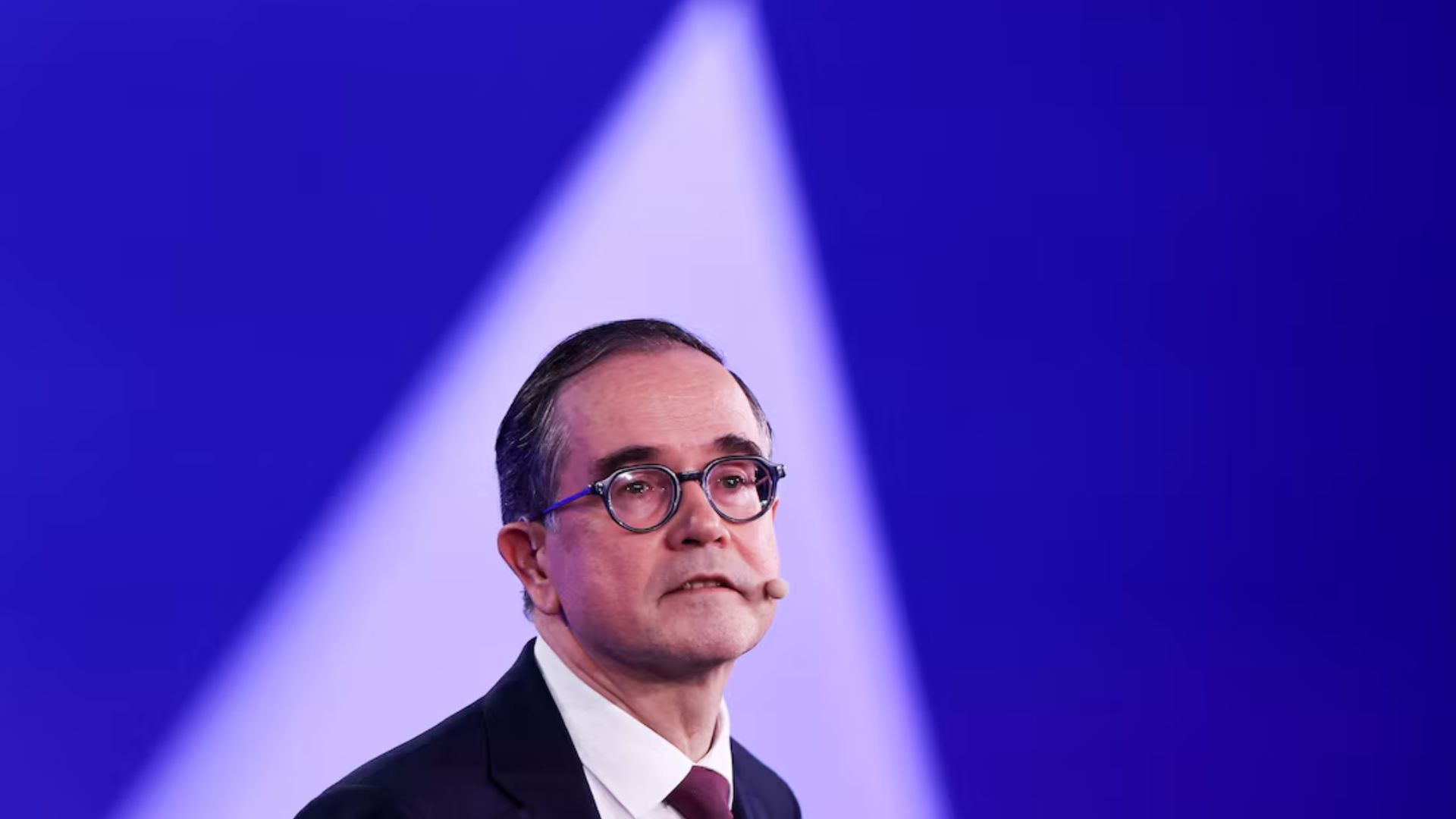
BRUSSELS, (Reuters) – Renault’s electric vehicle order book is up by 50% in some markets, such as France and Germany, since the Iran war started, the carmaker’s Group CEO Francois Provost told Reuters in an interview on Wednesday.
Provost said Renault had no problems in terms of sourcing batteries but the company was having to work hard to keep up with demand for electric vehicles, and it was setting up a task force to tackle this matter.
“We’re currently exceeding the capacity (of our suppliers) because of the war in Iran,” he said on the sidelines of the Automotive News Congress in Brussels.
The French automaker is also considering adding more production shifts in the second half of the year at its EV factories at Douai and Maubeuge in France and Novo Mesto in Slovenia, Provost said.
Demand for EVs has surged across Europe as high fuel prices linked to the Iran war boosted interest in both new and second-hand EVs.
In the first four months of the year, sales of fully electric cars in Europe jumped 29% to almost 1 million units.
Provost said that when the Iran war does end and fuel prices do come down, the intense level of interest in EVs “will decrease” but the shift to electric vehicles will continue to accelerate.
“We have already revised our assumptions” for EV sales, Provost said.
He said that in the medium-term he would like Chinese battery maker Envision AESC to start making lithium-iron-phosphate batteries at its plant in Douai.
LFP batteries are much cheaper than traditional EV batteries and do not use cobalt and nickel and now dominate the EV market in China.
Batteries often make up to half the cost of an electric car, so switching to LFP batteries would enable Renault to offer more affordable EVs to consumers.
While its rival Stellantis has been pursuing deals to lease space in its underutilised European factories to Chinese automakers including Leapmotor and Dongfeng Provost said Renault has turned away companies looking to use its production lines.
“Everyone contacts Renault and has been for a long time,” Provost said.
But “I’m not trying to deal with my overstaffing problems or my overcapacity problems,” he said. “We don’t have any.”
Reporting by Gilles Guillaume; Editing by Inti Landauro, Sudip Kar-Gupta, Louise Heavens and Tomasz Janowski