

Summary
- Nissan CEO touts vehicle quality, new models in U.S. turnaround effort
- Nissan veering away from rental-car sales in bid to lift brand image
- A hybrid version of Rogue SUV is planned for late this year
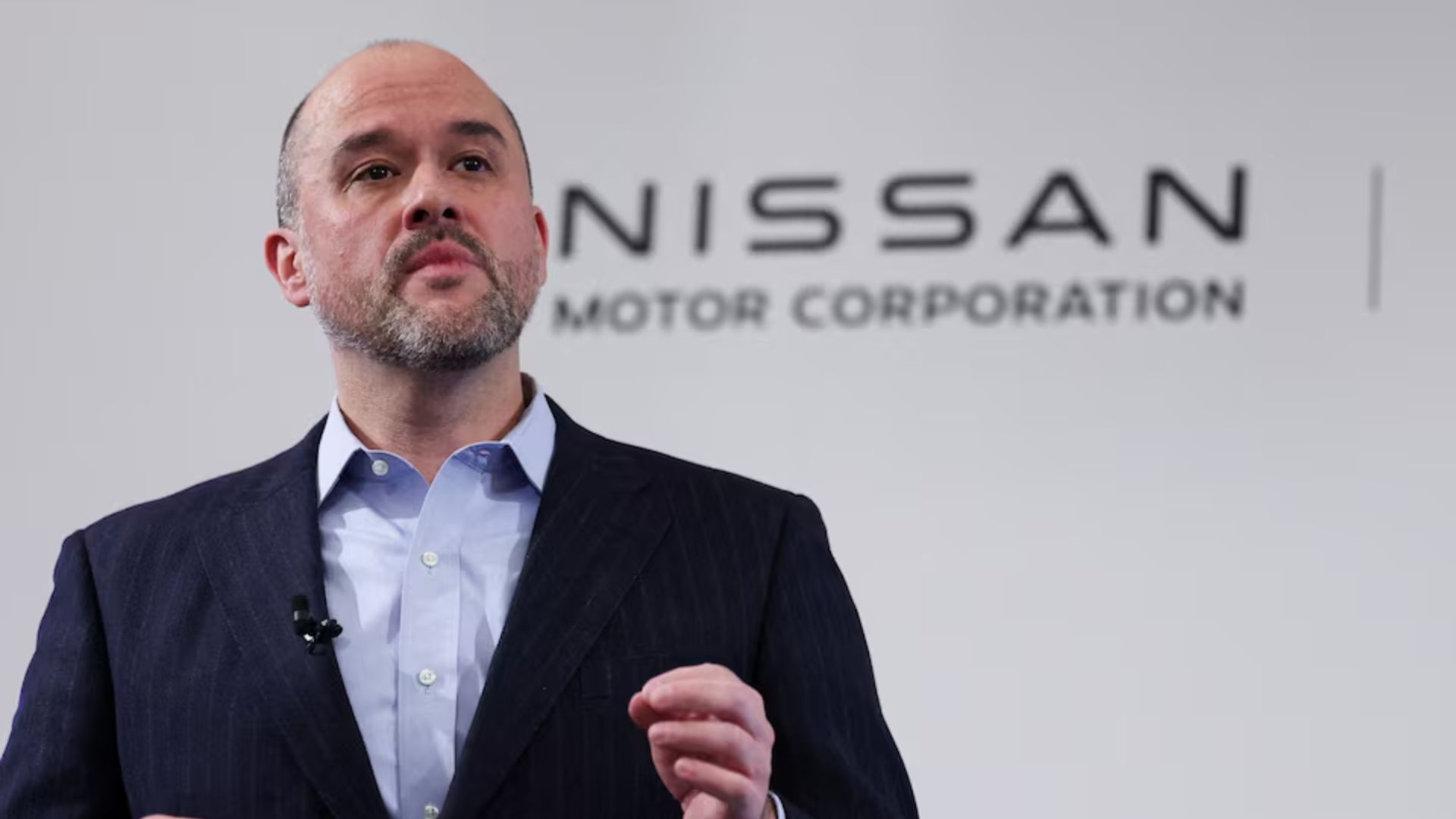
(Reuters) – Nissan CEO Ivan Espinosa was pleased when the automaker reported Wednesday that its second-quarter U.S. vehicle sales ticked higher. But he knows there’s still a long way to go.
Espinosa, who took the top job at the Japanese automaker in April 2025, has made the U.S. a core piece of his revival strategy. Nissan’s U.S. market share hovers just above 6%, down from around 9% a decade ago.
Espinosa, a 47-year-old Mexican national, has been candid in his view that Nissan lost its way in the U.S. It was pushing too hard to grow sales, which led to quality and image problems, the CEO told Reuters in an interview Wednesday.
For much of the past decade, Nissan offered unusually steep discounts in a bid to sell more cars and boost its market share, which dealers say hurt resale values. Aggressive selling to rental-car companies also a sales-boosting tactic – cheapened the brand’s image, Espinosa said.
“Before, it was like, okay, we want volume, volume, volume. This is not a good way of operating a car company,” he said, adding that he’d like to largely “stay away” from the rental market.
CEO TOUTS QUALITY, FRESH MODELS
Today, the CEO says he’s after healthy sales growth. Nissan is touting its vehicle quality, including a recent strong showing in a closely watched JD Power survey of new vehicle owners. Espinosa said a forthcoming influx of new models also will help his quest for a U.S. rebound.
Among the first of those is a hybrid version of Nissan’s Rogue compact SUV, its top seller, due to go on sale late this year. Espinosa said Nissan missed an opportunity to win customers with hybrid cars, which have surged in popularity in the past few years, especially amid higher gas prices from the Iran war.
Nissan also is planning to launch new, rugged SUVs built on a truck-like frame, including the re-introduction of the Xterra, which was sold in the U.S. from the 1990s to the mid-2010s.
The U.S. strategy is part of a sweeping revival plan that includes cutting Nissan’s global manufacturing footprint and workforce by 15% to control costs. Nissan also is scouting for partnerships to help it develop vehicle technologies, following an aborted plan to merge with Honda.
Harry Criswell, who owns a Nissan store in the Washington, D.C. area, said dealers are optimistic that Espinosa, a former product planner, can deliver.
“It will work if he can come out with must-have products,” Criswell said.
Reporting by Mike Colias in New York; Editing by Nick Zieminski